
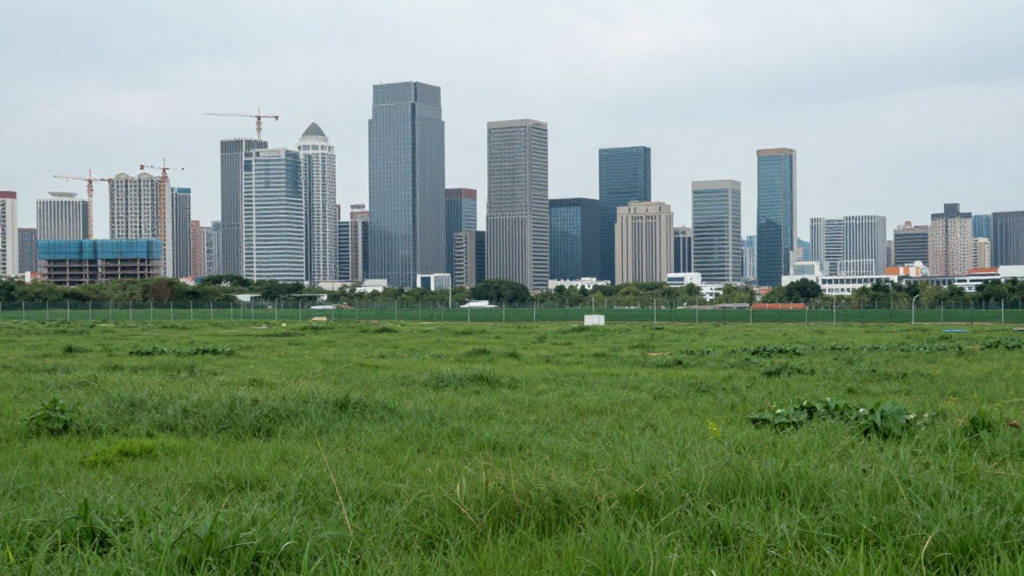
A significant portion of New South Wales’ publicly owned land identified as suitable for housing development has been sold to private developers, raising concerns about the government’s commitment to addressing the housing crisis. Despite policy intentions to prioritise public and affordable housing, the majority of these valuable sites are being offloaded without stringent requirements for social or affordable housing components.
Key Takeaways
- Over two-thirds of NSW public land suitable for housing has been sold to private developers.
- Homes NSW has purchased only a small fraction of identified sites, with plans for limited new public housing.
- Critics label the government’s land audit a "scam," arguing it prioritises private profit over public need.
- The City of Sydney is urging the state government to unlock its own land for housing development.
Public Land Sales Under Scrutiny
The New South Wales government’s property audit, intended to identify surplus land for housing, has resulted in the sale of more than two-thirds of these sites to private developers. Many of these sales lack mandatory provisions for social or affordable housing. Homes NSW, the state’s housing agency, has only acquired three out of 55 identified sites, with plans for 208 homes, and expressed interest in seven more. This contrasts sharply with the large volume of land transferred to the private sector.
Broken Promises and Shifting Priorities
Critics, including NSW Greens MP Jenny Leong, have labelled the land audit a "scam," arguing that it represents a systematic sale of public assets to the highest bidder without ensuring social or affordable housing outcomes. This is despite a Labor policy commitment to prioritise public housing on government land. While the government has increased social housing on existing sites, progress on new builds through the "Building Homes for NSW" program has been slow, with no new homes reportedly built two years into the initiative.
City of Sydney's Intervention
In a bid to pressure the state government, the City of Sydney has identified over 30 state-owned sites, including prime harbourfront locations, that could accommodate approximately 14,300 new homes. Lord Mayor Clover Moore is calling on the NSW government to "do more" by relaxing planning rules on sites like the Novotel and Ibis hotel locations at Darling Harbour to allow for high-density apartment development. The council argues that utilising state-controlled land offers a faster route to increasing housing density near existing infrastructure, rather than pushing development to the urban fringe.
Government Response and Future Prospects
A spokesperson for the Minister for Lands and Property stated that proceeds from surplus government sites developed by the private sector would be directed back into new public housing construction. However, concerns have been raised about Treasury policies potentially requiring sale proceeds to be returned to the originating departments. Homes NSW clarified that proceeds from private housing sales on these sites would fund public housing, but has received no funds to date. The government also noted that some identified sites, such as those at Macdonaldtown, are critical for transport operations, and that plans are underway for developments in Eveleigh and Woolloomooloo. The City of Sydney faces a significant housing target of 18,900 homes by 2029, the highest of any NSW council.