
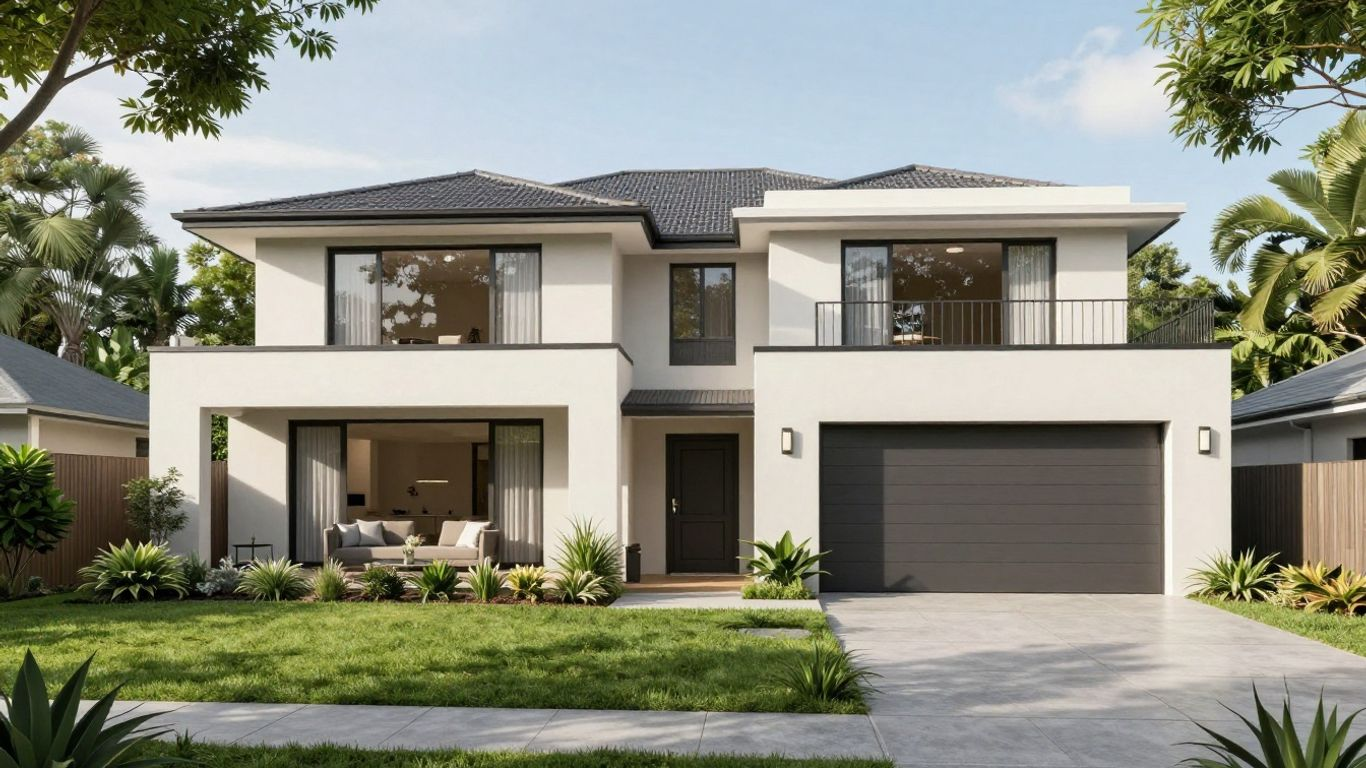
Thinking about building a duplex in New South Wales? It’s a smart move, whether you’re looking to live in one unit and rent the other, house extended family, or just make a solid investment. Duplexes offer a great way to get more out of your land. But with so many designs and price points out there, it can feel a bit overwhelming. This guide is here to break down everything you need to know about duplex designs and prices in NSW, from understanding the different styles to figuring out the costs and what makes a good investment.
Key Takeaways
- Duplexes are two separate homes on one block, sharing a wall but with their own entrances and spaces. They can be great for living in, renting out, or selling.
- When planning your duplex, think about your block size, local council rules in NSW, and how to get the most natural light and privacy.
- Costs for building a duplex in NSW include land, demolition (if needed), construction materials, labor, and council approvals. Prices can really change based on where you build and what you choose.
- Financing a duplex often involves construction loans or investment property loans. Duplexes can be good investments because they often increase in value over time.
- NSW has specific housing codes for duplexes. Making sure your design meets these rules from the start can speed up approvals and avoid extra costs.
UNDERSTANDING DUPLEX DESIGNS AND PRICES IN NSW
So, you’re thinking about a duplex in NSW? It’s a pretty smart move, especially if you’re looking to get more out of your land or create an investment. A duplex, at its heart, is basically two homes that share a common wall, all sitting on one block of land. Each home has its own entrance, its own utilities, and its own little patch of private outdoor space. It’s a way to get dual occupancy, which can be a real game-changer for your property goals.
WHAT IS A DUPLEX HOME?
A duplex is essentially two separate living units joined together, usually by a single wall. Think of it as two houses that are neighbours but also part of the same structure. Each unit is self-contained, meaning it has its own kitchen, bathroom, bedrooms, and living areas. This setup is often referred to as dual occupancy in NSW planning terms. It’s a popular choice because it offers a good balance between having your own space and making the most of your property. Whether you’re looking to live in one and rent out the other, or perhaps house extended family, a duplex provides that flexibility. The specific design and how it’s titled (one title for both or separate titles) can really affect how you can use or sell the properties later on.
KEY CONSIDERATIONS FOR DUPLEX DESIGNS
When you’re planning a duplex, there are a few things you really need to think about before you even start sketching. It’s not just about how many bedrooms you want. You’ve got to consider the block of land itself – its size, its shape, and even its slope. The local council rules are a big one too; they dictate a lot about what you can and can’t build. And of course, what are you trying to achieve? Are you building for yourself, for tenants, or maybe a bit of both?
Here are some points to keep in mind:
- Block Size and Shape: A narrow block might need a different design than a wide one. Corner blocks offer unique opportunities for street access.
- Council Regulations: Each council has its own rules about setbacks, building heights, parking, and even the types of materials you can use. It’s vital to check these early.
- Your Goals: Are you aiming for maximum rental return, comfortable family living, or a combination? This will shape the layout and features.
- Privacy and Separation: Good acoustic and fire separation between the two units is a must. You want to feel like you have your own home, not like you’re living in one big house.
- Sunlight and Ventilation: Designing for natural light and airflow makes both homes more pleasant to live in.
Building a duplex involves more than just drawing up plans. It’s about understanding the site, the local rules, and your own needs to create a functional and valuable property. Getting this right from the start saves a lot of hassle down the line. For example, understanding dual occupancy costs in Sydney can give you a clearer picture of the financial side of things. dual occupancy costs
DUPLEX VS. SEMI-DETACHED HOMES
People sometimes get duplexes and semi-detached homes mixed up, but there’s a key difference. A duplex is typically two separate dwellings on a single title (though sometimes they can be strata-titled). Semi-detached homes, on the other hand, are usually two homes that are physically joined but might have different ownership structures or be part of a larger development. In NSW, the term ‘duplex’ usually refers to that dual occupancy setup on one lot. It’s important to know the terminology because it can affect planning approvals and how you can manage the property. The goal with a duplex is often to create two distinct, independent homes that maximise the use of a single parcel of land, which can be a great strategy for property investment in areas like Sydney. duplex build prices
POPULAR DUPLEX DESIGNS FOR NSW PROPERTIES
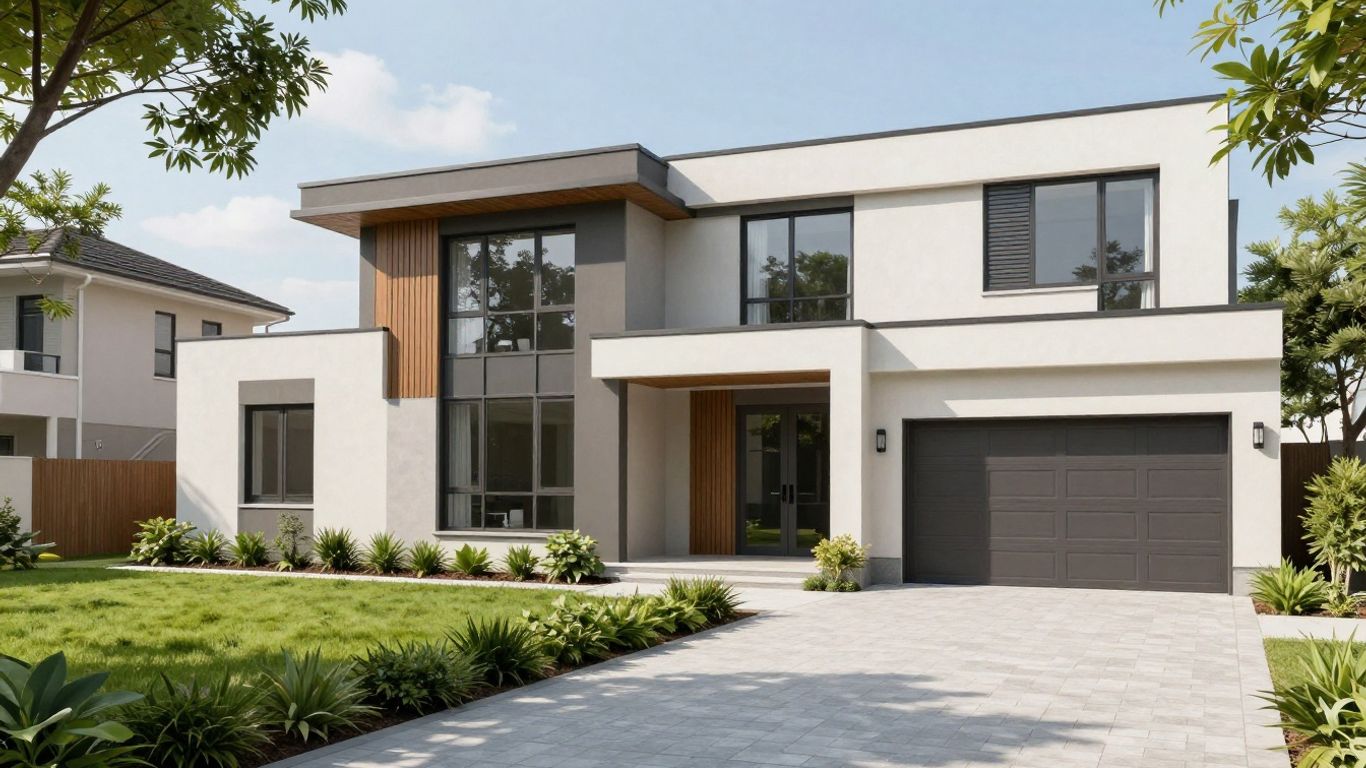
When you’re thinking about building a duplex in NSW, the design really matters. It’s not just about fitting two homes onto one block; it’s about making them functional, appealing, and valuable. The good news is there are tons of options out there, whether you’ve got a huge block or something a bit more compact.
DESIGNS FOR VARIOUS BLOCK SIZES
Your land is the starting point for any duplex design. You can’t just slap any old plan onto any block and expect it to work. Narrow blocks, for instance, need designs that make the most of the length and width available, often favouring a double-storey layout to maximise living space without eating up the whole yard. Corner blocks offer a bit more flexibility, sometimes allowing for dual street access and a more distinct look for each home. Even irregular block shapes can be worked with, though they might require a more custom approach. It’s all about working with what you’ve got.
- Narrow Blocks: Often benefit from vertical designs, pushing living spaces upwards to keep the ground floor open. Think clever storage solutions and efficient room layouts.
- Standard Blocks: Offer more freedom, allowing for a wider range of single or double-storey options with good yard space.
- Corner Blocks: Can be designed to have distinct street frontages, potentially increasing appeal and privacy for each dwelling.
- Irregular Shapes: Might need a bespoke design to fit the land perfectly, but can sometimes offer unique layout opportunities.
FEATURED DUPLEX DESIGNS
Builders are always coming up with new ideas, and many have specific duplex designs that are popular in NSW. For example, some designs focus on maximising natural light and airflow, which is a big plus for comfort and lower energy bills. Others might feature layouts that give each home its own private outdoor space, something everyone appreciates. You’ll see designs with multiple living areas, which is great for families or if you plan to rent out one side. The goal is usually to create two homes that feel like separate, comfortable residences. Some popular examples include designs perfect for 15m+ frontages with three bedrooms per home, or stylish double-storey layouts with separate entries and seamless alfresco connections. There are also designs specifically built for corner lots that really make the most of dual street presence. You can explore some of these Kurmond duplex designs to get a feel for what’s out there.
CUSTOMISING YOUR DUPLEX LAYOUT
While pre-designed plans are great, sometimes you need something a bit more specific. Customising your duplex layout means you can tweak things to perfectly match your lifestyle or investment goals. This could mean adjusting the number of bedrooms, changing the kitchen layout, or deciding where the main living areas face. It’s also a chance to think about practicalities like storage – nobody ever complains about having too much cupboard space! When you’re customising, it’s smart to think about how each home will feel to live in. Are the entrances private? Will the bedrooms be quiet? Good design considers these details. You might also want to think about how to maximize your land’s value by considering a knock-down rebuild.
When planning your duplex, remember that the details matter. Think about things like acoustic insulation between walls for privacy, the placement of windows for natural light, and how much storage space is included. These elements can make a big difference in how comfortable and appealing each home is, both for you and for potential buyers or renters. Making sure your design complies with the latest NSW planning rules from the start can also save a lot of hassle down the line.
Here’s a quick look at some features people often look for:
- Open-plan living and dining areas
- Generous kitchen space with ample storage
- Private outdoor entertaining areas (like a patio or deck)
- Walk-in wardrobes in master bedrooms
- Separate laundry facilities
- Off-street parking for at least two cars per dwelling
NAVIGATING DUPLEX CONSTRUCTION COSTS IN NSW
Building a duplex in New South Wales isn’t just about the bricks and mortar; it’s a significant financial undertaking with various cost components to consider. Understanding these expenses upfront is key to a smooth and successful project. From the initial land purchase to the final coat of paint, each stage comes with its own price tag.
ESTIMATING LAND AND DEMOLITION EXPENSES
The cost of land is often the biggest chunk of the budget, and it really depends on where you’re looking. In Sydney, for instance, you could be looking at anywhere from $600,000 to $1.5 million for a suitable block. If there’s an existing house on the land that needs to go, demolition costs can add another $10,000 to $30,000, depending on the size and how tricky it is to remove.
BREAKDOWN OF CONSTRUCTION AND LABOUR COSTS
Once the land is ready, the actual building begins. Construction costs for a duplex can generally fall between $1.05 million and $1.30 million for the entire project. This figure covers materials, finishes, and the builder’s overheads. Labour typically makes up a good portion of this, often around 25% to 35% of the total construction cost. This can fluctuate based on the builder’s experience and how much customisation you’re after.
Here’s a rough idea of what you might expect:
- Construction: $1,050,000 – $1,300,000
- Design & Engineering: $25,000 – $50,000
- Site Works & Services: $30,000 – $80,000
- Driveways & Landscaping: $20,000 – $40,000
ADDITIONAL FEES FOR ZONING AND COMPLIANCE
Don’t forget about the administrative side of things. You’ll need to factor in costs for council approvals, permits, and inspections. These can add up, potentially ranging from $25,000 to $60,000. This covers everything from getting your plans approved to ensuring the build meets all the NSW housing code requirements. It’s a necessary part of the process to make sure everything is above board and compliant.
Building a duplex involves more than just the construction price. You’ve got site preparation, council fees, getting services connected, and even things like driveways and landscaping to budget for. It’s a good idea to get a detailed quote that breaks down all these potential expenses so there are no surprises down the track.
Remember, these figures are estimates. The final cost will depend heavily on your specific location, the design complexity, the quality of materials you choose, and current market conditions. Talking to a few experienced duplex builders early on can give you a much clearer picture of the financial commitment involved in your duplex project.
FINANCING AND INVESTMENT POTENTIAL OF DUPLEXES
Thinking about building a duplex is a big step, and figuring out the money side of things is just as important as the design. It’s not just about the initial build cost; you’ve got to look at how you’ll pay for it and what kind of return you can expect down the track. Many people see duplexes as a smart way to get more out of their land, whether that’s for family, rental income, or just a good investment for the future.
FINANCING OPTIONS FOR DUPLEX CONSTRUCTION
Getting the funds together for a duplex build can seem a bit daunting, but there are a few common routes people take.
- Construction Loans: These are pretty standard for building projects. They let you draw down money as the build progresses, which is handy. Just know they often come with higher interest rates than regular home loans and the bank will want to see a solid plan.
- Investment Property Loans: If you’re looking at this purely as an investment, these loans are designed for that. Lenders will look at the potential rent you could get and how much the property might be worth.
- Home Equity Loans/Lines of Credit: If you already own a home and have built up some equity, you might be able to borrow against that. It’s a way to access funds, but you need to be comfortable with the added debt.
- Government Grants and Incentives: It’s always worth checking if there are any local or state government programs that offer help for new builds. Sometimes there are grants or tax breaks available.
INVESTMENT ADVANTAGES OF DUPLEX PROPERTIES
So, why are duplexes such a popular choice for investors? Well, the main draw is the potential for dual income. You can live in one unit and rent out the other, which can significantly help with your mortgage repayments or just boost your cash flow. Plus, with separate entrances and utilities, they offer a good level of privacy for both occupants. This setup makes them quite attractive on the rental market.
Building a duplex can be a strategic move to maximize your land’s potential. It’s about creating more value from a single block of land, which is a smart approach for many property owners looking to grow their assets. This is especially true in areas where land is scarce and demand for housing is high.
Duplexes can also see good value appreciation over time. While market conditions always play a role, the dual-living aspect often makes them appealing. You might even consider strata titling if your duplex is on a single title, allowing you to sell each unit separately down the line. This adds another layer of flexibility to your investment strategy.
UNDERSTANDING TAX BENEFITS AND LEGALITIES
When you own a duplex, especially if you’re renting one or both out, there are tax implications to consider. You might be able to claim deductions for things like property maintenance, depreciation on the building and fixtures, and even interest on your mortgage. It’s a good idea to chat with a tax professional to make sure you’re getting all the benefits you’re entitled to and staying on the right side of the law.
Building a duplex also means dealing with council regulations and planning laws. These can vary quite a bit, so understanding the local zoning rules, minimum site requirements, and whether you need a full development application or if a complying development certificate will do is key. Getting these details sorted early can save a lot of headaches later on. It’s all part of making sure your duplex build goes smoothly and legally.
THE DUPLEX BUILDING PROCESS IN NSW
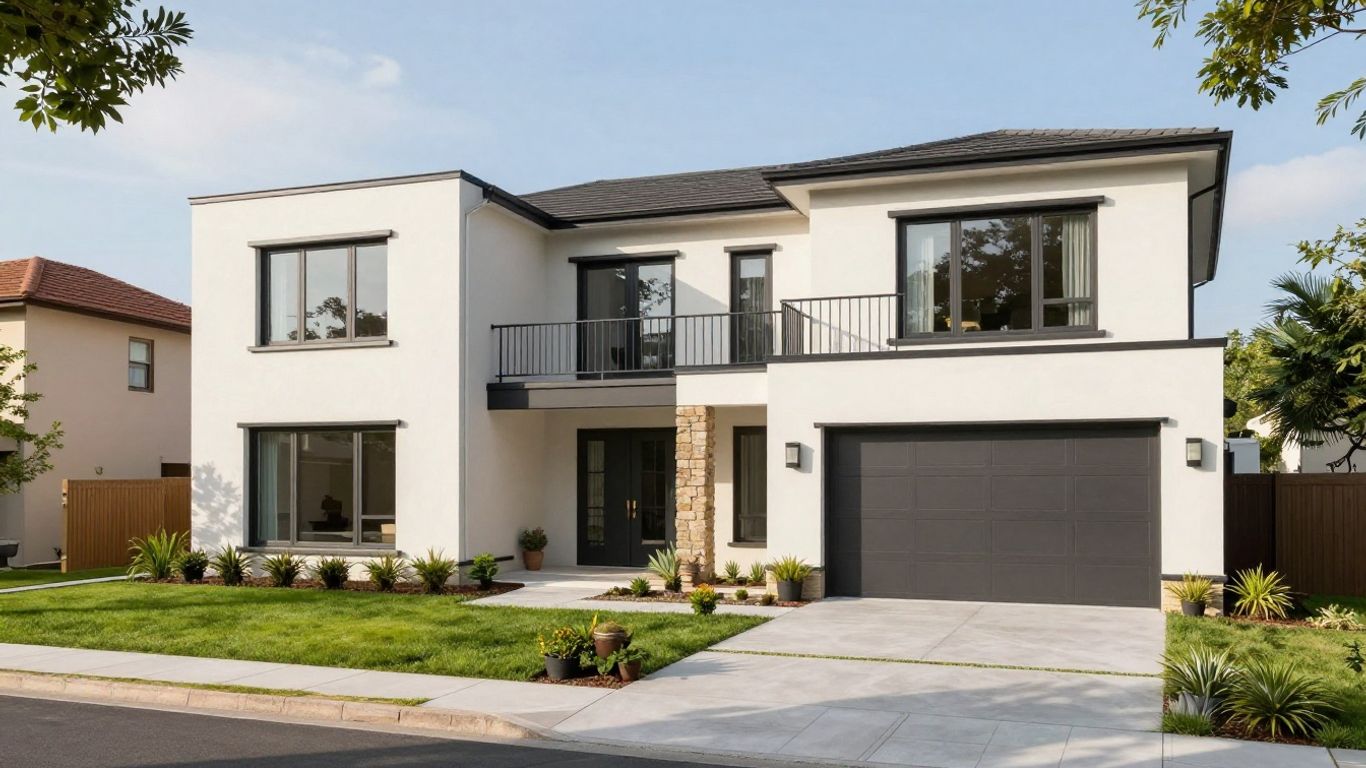
So, you’ve decided a duplex is the way to go. Awesome! But before you start dreaming about tenants or your extended family moving in, there’s the actual building part. It can seem a bit daunting, like trying to assemble IKEA furniture without the instructions, but breaking it down makes it way more manageable. It’s all about following the steps and making sure everything is above board.
Meeting NSW Housing Code Requirements
First things first, you’ve got to make sure your plans tick all the boxes for New South Wales. The state has specific rules, like the Low-Rise Housing Diversity Code, that dictate what you can and can’t do. This code is designed to make it easier to build more housing, including duplexes, on existing blocks. Your builder should be well-versed in this, but it’s good to have a general idea yourself. They’ll look at things like block size, street frontage, and what services are available.
- Block Size and Dimensions: Does your land meet the minimum requirements for a duplex?
- Setbacks: How far does the building need to be from property lines?
- Height Limits: Is your design within the allowed building height?
- Parking: Councils usually require a certain number of off-street parking spots per dwelling.
- Acoustic and Fire Separation: Duplexes need specific wall and floor constructions to meet safety standards between the two homes.
It’s really important to get this right from the start. Trying to fix compliance issues later can cost a fortune and cause major delays. Think of it like getting your ingredients prepped before you start cooking – it saves a lot of hassle down the line.
Timelines for Duplex Approvals and Construction
Okay, so how long does this whole thing take? It’s not exactly a weekend project. You’re looking at a few stages, and each has its own timeframe. The approval process can be the trickiest part, as it involves dealing with local councils and certifiers. Construction itself is usually more predictable, but weather and material delays can happen.
Here’s a rough idea:
- Design & Planning: This can take anywhere from a few weeks to a couple of months, depending on how quickly you finalise your choices and how complex the design is.
- Council Approvals: This is where things can get a bit slow. Depending on the council and the complexity of your application, this could take anywhere from 2 to 6 months, sometimes longer.
- Construction: Once approvals are in hand, the actual building usually takes between 8 to 12 months for a standard duplex, but this can vary.
So, realistically, from the initial concept to getting the keys, you’re probably looking at anywhere from 12 to 18 months. It’s a marathon, not a sprint, so patience is key. You can find more details on the building approval process in NSW.
Choosing the Right Duplex Builder
This is a big one. Picking the right team to build your duplex is probably the most important decision you’ll make. You want someone who knows their stuff, communicates well, and is reliable. A good builder will guide you through the whole process, from design to handover, and make sure everything runs smoothly. They should also be transparent about costs and timelines.
When you’re looking for a builder, consider:
- Experience: Have they built duplexes before? Do they understand the specific requirements in NSW?
- Reputation: Check reviews, ask for references, and see if they have a solid track record. A duplex knockdown and rebuild is a significant undertaking, so you want someone trustworthy.
- Communication: Do they explain things clearly? Are they responsive to your questions?
- Contracts: Make sure you understand the contract fully before signing. It should clearly outline the scope of work, costs, and payment schedule.
- Warranties: What kind of structural warranty do they offer after the build is complete?
Don’t be afraid to shop around and get a few quotes. It’s a big investment, and you want to feel confident in the people you choose to bring your duplex vision to life.
MAXIMISING VALUE WITH DUPLEX DESIGNS AND PRICES
So, you’re thinking about building a duplex in NSW. Smart move. It’s a popular way to get more out of your land, whether you’re looking for a place for the extended family, a rental income stream, or just a solid investment for the future. But here’s the thing: just building a duplex isn’t enough. You’ve got to get the design right to really make it pay off. It’s all about making smart choices from the get-go.
The Role of Location in Duplex Pricing
Location, location, location. It’s an old saying for a reason, and it’s absolutely true for duplexes. A duplex in a sought-after suburb with good schools and transport links will always fetch a higher price than one in a less desirable area. Think about what people want in a neighbourhood – proximity to parks, shops, and easy commutes. These are the things that drive up demand and, consequently, the price of your duplex. When you’re looking at potential sites, do your homework on the local area. What’s the growth potential? Are there new developments planned? Understanding the local market is key to picking a spot that will give you the best return.
Design Features That Enhance Property Value
When it comes to design, a few things really make a difference in how much your duplex is worth. First off, think about privacy. Nobody wants to feel like they’re living on top of their neighbour. Clever layouts that separate living spaces and bedrooms, good soundproofing between walls, and private outdoor areas are huge selling points. Natural light is another big one. Homes that are bright and airy just feel better to live in, and they’re more appealing to buyers or renters. Consider orienting your main living areas towards the north if possible, and make sure there are plenty of windows for cross-ventilation. This not only makes the place nicer but can also cut down on energy bills.
Here are some design elements that add serious value:
- Separate Entrances: Giving each unit its own distinct entry point makes it feel more like a standalone home.
- Private Outdoor Spaces: A small, usable yard or balcony for each dwelling is a must.
- Ample Storage: Built-in wardrobes, linen cupboards, and good kitchen pantry space are always appreciated.
- Modern Kitchens and Bathrooms: These are often the first things people look at, so making them appealing is important.
- Off-Street Parking: Dedicated parking for each unit is a significant plus.
A well-thought-out duplex design isn’t just about aesthetics; it’s about functionality and liveability. Features that make daily life easier and more comfortable for occupants directly translate into higher property value and quicker sales or rentals. It’s about creating two desirable homes on one block, not just two boxes.
Long-Term Value Appreciation of Duplexes
Duplexes have a good track record for increasing in value over time, especially in areas like Sydney. They offer a flexible housing solution that appeals to a range of people – from young families needing space for grandparents to investors looking for rental income. This demand helps property values grow. Plus, the dual-occupancy nature means you’re getting more out of your land than a single dwelling would allow. As urban areas become denser, properties that offer more living options, like duplexes, tend to hold their value well and appreciate nicely. It’s a smart way to build equity and secure your financial future. If you’re looking to maximize your land’s potential, exploring intelligent duplex home design concepts is a great start [8005].
Wrapping It Up
So, building a duplex in NSW can be a pretty smart move, whether you’re looking to live in one side and rent out the other, house extended family, or just make a solid investment. We’ve gone over the designs, the costs, and what to look out for, like making sure everything meets the latest rules and thinking about how the space will actually feel to live in. It’s not just about sticking two houses together; it’s about smart design that works for you and your block. Remember to chat with builders, get all your questions answered, and really think about your own goals. It might seem like a lot, but with the right planning, a duplex could be exactly what you need.
Frequently Asked Questions
What exactly is a duplex?
Think of a duplex as a single house that’s split into two separate living spaces. These two homes share a common wall but have their own entrances, yards, and sometimes even their own parking. It’s like having two homes on one piece of land.
How much money does it usually cost to build a duplex?
Building a duplex can cost quite a bit. You’ll need to pay for the land, the actual building work, materials, workers, and all the permits and approvals. The price can change a lot depending on where you build, how big you want it, and the fancy stuff you choose for the inside.
What’s the difference between a duplex and a semi-detached house?
They sound similar, but here’s the scoop: A semi-detached house has two homes that sit on their own separate pieces of land but share a wall. A duplex, on the other hand, is two homes on one single piece of land, often treated as one property even if you can sell them separately later.
How long does it take to build a duplex?
Building a duplex usually takes a good chunk of time. From getting all the plans approved to finishing the construction, you’re often looking at anywhere from 12 to 18 months, sometimes longer. It really depends on how complicated the design is and how quickly the permits come through.
Are duplexes a good investment?
Many people find duplexes to be a smart investment. You can live in one side and rent out the other to help pay your mortgage, or rent out both for extra income. Plus, properties like these have been going up in value over time in many areas.
Can I change the design of a duplex to fit my needs?
Absolutely! Most builders offer a range of designs you can pick from, and many also let you customize them. You can work with designers to make sure the rooms are just right for you, as long as it all follows the local building rules.