
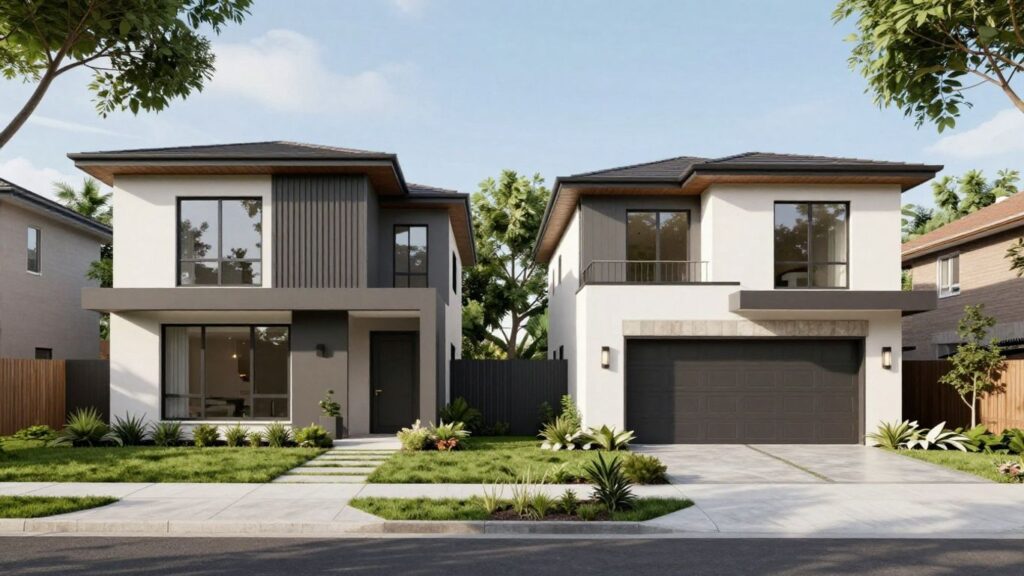
Thinking about building a dual occupancy home? It’s a pretty smart move these days, especially with housing being tight and land costing a pretty penny. These homes, basically two places to live on one piece of land, are popping up everywhere for good reason. They offer a bunch of cool benefits, whether you’re looking to invest, house your family, or just get more out of your property. Let’s break down what makes a dual occupancy home so appealing and what’s trending in their design.
Key Takeaways
- Dual occupancy homes offer a practical solution to housing shortages by maximizing land use, making them increasingly popular for both investors and families.
- These homes can significantly boost rental yields and investment returns due to having two separate dwellings on one title.
- Design trends focus on privacy, practical layouts, and aesthetic appeal, with options like attached, detached, and dual-key configurations to suit various needs.
- Building a dual occupancy home can be more cost-effective than constructing two separate houses, leading to better financial outcomes and potential mortgage offsets for owner-occupiers.
- Careful planning, understanding local zoning, and considering environmental factors are important steps when developing a dual occupancy property.
Understanding Dual Occupancy Homes
So, what exactly are dual occupancy homes? Basically, it’s when you have two separate living spaces built on a single piece of land. Think of it as a smart way to get more out of your property. These aren’t just random additions; they’re designed as distinct dwellings, each with its own entrance, living areas, and amenities. This setup is becoming super popular, especially with the way housing is going these days.
Defining Dual Occupancy Properties
A dual occupancy property means two homes exist on one lot. The key thing here is that they usually share a single land title, unless a subdivision is approved. This is different from building two completely separate houses on two separate blocks. It’s about maximizing the use of one parcel of land.
Key Variations in Dual Occupancy Designs
There are a few common ways dual occupancy homes are set up:
- Attached Dual Occupancy: This is where the two homes share a common wall, like a duplex. They’re often built side-by-side, which is great for making the most of narrower blocks and can help cut down on building costs.
- Detached Dual Occupancy: Here, you have two separate structures on the same block of land. This might be a main house at the front and a smaller granny flat or studio at the back. It offers a bit more separation and privacy.
- Dual Key Homes: These are a bit unique. It’s essentially one larger home that’s been divided into two self-contained living areas. You might have a shared main entrance, but then separate internal access to each unit. This is a clever way to get two income streams or accommodate different family needs within one structure.
- Dual Living Homes: These are designed with multi-generational living in mind. The layouts are flexible, offering spaces that work well for extended families living together under one roof but with their own distinct areas.
Distinguishing Dual Occupancy from Duplexes
While the terms can sometimes get mixed up, there’s a slight difference. A duplex is typically two attached dwellings that are often intended to be sold separately or subdivided. Dual occupancy, on the other hand, usually refers to two dwellings on one title, which might be attached or detached. The main point is that dual occupancy is about maximizing the use of a single property, often with a focus on flexibility for owner-occupiers and investors or multi-generational living, whereas a duplex might be more about creating two distinct, sellable units from the start. It’s a subtle but important distinction when you’re looking at modern home designs.
The appeal of dual occupancy lies in its adaptability. It’s not just about squeezing in more housing; it’s about creating flexible living arrangements that suit a variety of modern family structures and financial goals. Whether it’s for investment, housing aging parents, or providing space for adult children, these homes offer practical solutions.
The Growing Appeal of Dual Occupancy
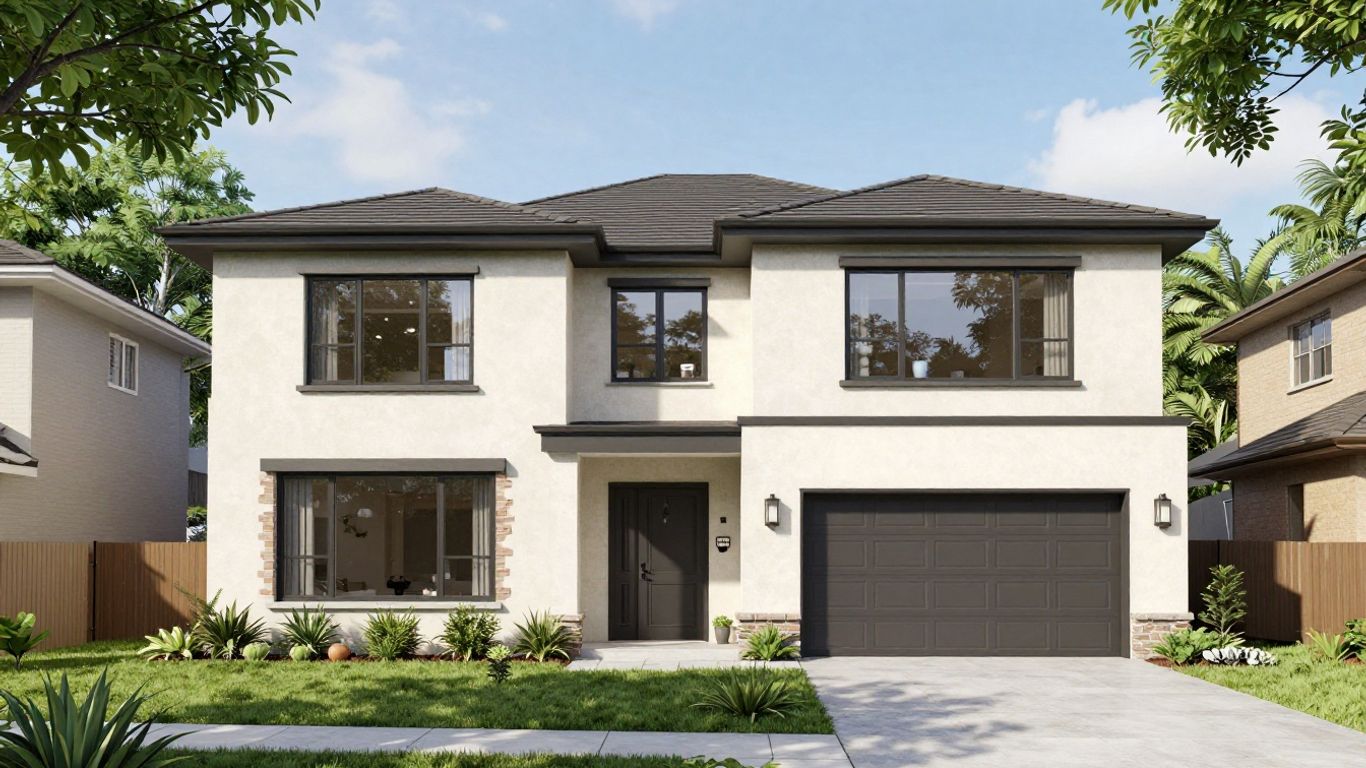
It seems like everywhere you look these days, dual occupancy homes are popping up. And honestly, it makes a lot of sense. We’re facing a real squeeze when it comes to housing, especially in our bigger cities. Building two homes on one block is a smart way to use the land we have more effectively, without spreading out into new areas.
Addressing Housing Shortages and Land Use
This housing type really helps tackle the problem of not enough homes. By building more units on existing land, we can increase the housing supply without needing to develop new, undeveloped areas. It’s a practical solution for growing populations.
Enhanced Rental Yields and Investment Returns
For people looking to invest, dual occupancy homes are quite attractive. You get two separate living spaces, which means you can potentially get rent from both. This can lead to better returns compared to a single-family home. It’s a way to make your property work harder for you financially. Many investors are looking at these types of properties for their stronger cash flow.
Supporting Multi-Generational Living Arrangements
Beyond just investment, these homes are also great for families. Think about parents who want to live close to their adult children, or grandparents who need a place to stay. Dual occupancy allows different generations to live together while still having their own private space. It’s a way to keep families connected and support each other.
The flexibility of dual occupancy means it can serve a variety of needs, from providing rental income to housing extended family members, all on a single parcel of land.
Here are some of the main reasons people are drawn to dual occupancy:
- Housing Supply: Directly addresses the need for more homes in urban areas.
- Financial Benefits: Offers potential for higher rental income and can help offset mortgage costs.
- Family Needs: Accommodates multi-generational living, allowing privacy and proximity.
- Land Efficiency: Makes better use of available land, a key concern in many areas.
Diverse Dual Occupancy Design Options
When you’re thinking about dual occupancy homes, it’s not just a one-size-fits-all situation. There are actually quite a few ways these properties can be set up, each with its own vibe and purpose. The key is finding a design that fits your block of land and what you want to achieve.
Attached Dual Occupancy: Side-by-Side Solutions
This is probably the most common type you’ll see. Think of two homes joined together by a single wall, like mirror images or just two units sitting next to each other. They’re super efficient for narrower blocks of land because they share that central wall, which can cut down on building costs. It’s a smart way to get two homes on one title without needing a huge amount of space. Many of these are designed so they can be legally separated later on if needed, which is a nice bonus.
Detached Dual Occupancy: Separate Structures on One Title
With detached dual occupancy, you’ve got two completely separate houses on the same piece of land, all under one title. This usually means a main house and then a smaller, separate dwelling, maybe in the backyard. This setup offers a bit more privacy between the two homes compared to the attached style. It’s a great option if you have a larger block or a corner lot, as you can often arrange driveways and access more independently. It’s also a popular choice for multi-generational families who want to live close but still have their own space.
Dual Key Homes: Integrated Self-Contained Suites
Dual key homes are a bit different. Imagine a larger single house that’s internally divided into two separate, self-contained living areas. They might share a main entrance foyer, but then you have separate doors leading into each unit. This is a really clever way to maximize rental income from a single property. You get the benefits of a larger home structure but with the flexibility of two distinct living spaces. Investors often like these because they can potentially rent out both sides, or live in one and rent the other.
Dual Living Homes for Extended Families
These are designed with multi-generational living firmly in mind. Dual living homes often feature flexible layouts with multiple, distinct living zones. The goal here is to accommodate different family members comfortably, perhaps ageing parents, adult children still at home, or even two families sharing the property. It’s about creating a harmonious living situation where everyone has their own space but can still come together. It’s a practical solution for families looking to share expenses and support each other.
The variety of dual occupancy designs means there’s likely a solution for most land sizes and family needs. It’s about understanding how each type works and which best suits your goals, whether that’s investment, multi-generational living, or simply making the most of your property.
Modern Design Trends for Dual Occupancy
When thinking about dual occupancy homes today, it’s not just about fitting two places onto one block. Designers are really focusing on making these homes feel like proper, individual residences, even when they share a title. Privacy is a huge deal, and you’re seeing more clever layouts that give each unit its own space and sense of separation.
Prioritizing Privacy and Zoned Living Areas
This means thinking about how people actually live. Instead of one big open space, you might see living areas, bedrooms, and even outdoor spots that are clearly defined for each dwelling. It’s about creating zones where people can have their own quiet time or entertain without bothering their neighbors. Think about separate entrances, private courtyards, and even acoustic treatments between shared walls to cut down on noise. It makes a big difference for everyone involved, whether you’re living in one unit and renting the other, or if it’s for extended family.
Emphasis on Practical Floor Plans and Alfresco Spaces
Beyond just privacy, practical living is key. Builders are looking at floor plans that make sense for everyday life. This includes good storage, easy flow between rooms, and making sure there’s enough natural light. And who doesn’t love an outdoor space? Alfresco areas are becoming standard, giving residents a place to relax, dine, or entertain outdoors. These aren’t just afterthoughts anymore; they’re designed as extensions of the indoor living areas. For those looking at profitable 2025 design trends, these practical elements are a big draw.
Aesthetic Appeal Through Minimalist Detailing
On the outside, there’s a move towards clean lines and simple, modern looks. Minimalist detailing is popular because it looks good and is often easier to maintain. This can mean sleek window frames, simple rooflines, and a restrained use of materials. It gives the homes a sophisticated feel without being overly fussy. This approach also helps the properties fit into a variety of neighborhood styles.
Incorporating Sustainable Materials and Energy Efficiency
Sustainability is no longer a niche concern; it’s becoming a standard expectation. This includes using building materials that are better for the environment, like recycled or locally sourced options. Energy efficiency is also a major focus, with better insulation, efficient windows, and sometimes even solar panels being incorporated. These features not only reduce the environmental impact but also lower utility bills for residents, which is a win-win. It’s a smart way to build for the future, and many duplex house plans are now incorporating these ideas.
The trend is definitely towards creating dual occupancy homes that feel like complete, independent residences, offering both privacy and practical living spaces, all wrapped up in a modern, sustainable package. It’s about smart design that works for today’s lifestyles and tomorrow’s needs.
Financial and Lifestyle Benefits
Dual occupancy homes really do offer a lot when you look at the money side of things and how they fit into our lives. It’s not just about having more space; it’s about making that space work harder for you.
Cost-Effective Construction and Economies of Scale
Building two homes on one block might sound like double the cost, but it often isn’t. When you’re sharing some of the major infrastructure like foundations, roof structures, and even some utility connections, you can see some real savings. It’s like buying in bulk – the per-unit cost tends to drop. This makes it a more accessible option for many people looking to get onto the property ladder or expand their property portfolio.
Offset Mortgage Costs for Owner-Occupiers
This is a big one for many people. Imagine living in one part of the home and renting out the other. That rental income can go a long way towards covering your mortgage payments. It’s a smart way to reduce your personal debt burden and make homeownership more manageable. For some, it means they can afford a better location or a larger property than they otherwise could. It’s a practical approach to managing finances while still enjoying your own home.
Flexibility for Downsizers and Investors
Dual occupancy designs are super flexible. For downsizers, it can mean having a smaller, manageable home for themselves while still having a separate space for visiting family or even a rental income stream. Investors see the appeal too. You get two potential rental incomes from a single title, which can significantly boost returns compared to a standard single dwelling. This dual income stream can also reduce the risk associated with vacancies; if one tenant leaves, you still have income from the other. It’s a strategic move for those looking to maximize property value.
Maximizing Property Value and Investment Potential
Beyond the immediate income, dual occupancy properties often hold their value well and can see good capital growth. They cater to a wider market – from families needing extra space to individuals looking for rental income. This broad appeal means they are often in demand, which is good news for resale value. Plus, the efficient use of land is becoming increasingly important, making these types of properties attractive in many areas. Building a duplex can be a sound investment strategy for the long term.
The ability to adapt a dual occupancy home to changing life circumstances is a significant advantage. Whether it’s accommodating an aging parent, providing a space for adult children, or generating income to support your own lifestyle, these homes offer a level of flexibility that traditional single dwellings often lack. This adaptability translates directly into long-term financial and lifestyle security.
Navigating Planning and Approvals
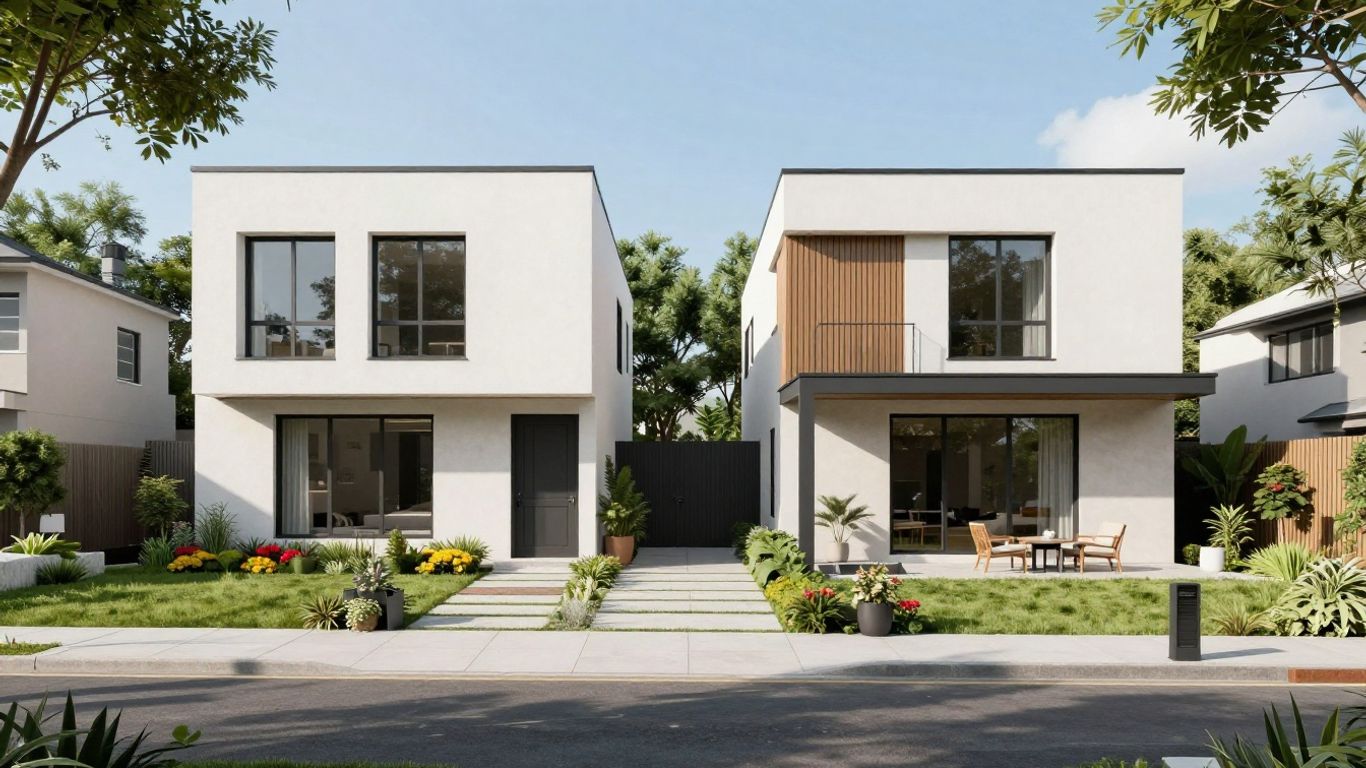
So, you’re thinking about building a dual occupancy home. That’s exciting! But before you even think about laying a single brick, you’ve got to get through the planning and approvals maze. It can feel a bit overwhelming, honestly, like trying to assemble IKEA furniture without the instructions. But don’t worry, we’ll break it down.
Essential Feasibility Studies for Development
Before you get too far down the road, it’s smart to do your homework. This means looking into whether your idea is even possible on the land you have. You’ll want to check things like:
- Zoning laws: What does the local council say you can build on that specific block of land?
- Site conditions: Is the land stable? Are there any easements or restrictions?
- Servicing: Can you easily connect to water, sewer, and electricity?
- Market demand: Is there a need for this type of housing in the area?
Doing these checks early can save you a lot of time and money later on. It’s all about making sure your project is viable before you commit.
Understanding Zoning Regulations and Permits
Every area has rules about what can be built where. These are called zoning regulations. They dictate things like the size of buildings, how close they can be to property lines, and even the types of housing allowed. You’ll need to get familiar with your local council’s planning scheme. Getting the right permits is non-negotiable; it’s what makes your build legal. Think of it as getting permission slips for your project.
Development Applications vs. Complying Development Certificates
This is where things can get a little technical, but it’s important. There are generally two main ways to get approval for your dual occupancy project:
- Development Application (DA): This is the more traditional route. You submit a detailed proposal to your local council, and they assess it against their planning rules. It can take a while, and there’s no guarantee of approval. It’s a good option if your project doesn’t quite fit the standard rules or if you want more flexibility in the design. You can find out more about the DA approval process in NSW.
- Complying Development Certificate (CDC): This is a faster, more streamlined process. If your project meets a strict set of pre-set rules (like size, height, and location on the block), you can get a CDC. This often means you don’t need to go through the full council assessment. It’s great for simpler, standard dual occupancy designs. The approval process for building two homes on a single lot is often streamlined with a CDC.
Meeting Local and State Regulatory Requirements
Beyond the DA or CDC, there are other rules you’ll need to follow. These come from both your local council and the state government. They cover things like:
- Building codes: These are about the safety and structural integrity of your build.
- Environmental standards: Rules about things like stormwater management and waste disposal.
- Acoustic requirements: Especially important for dual occupancies to ensure privacy between dwellings.
- Accessibility standards: Making sure the homes are usable for people with different needs.
It’s a lot to keep track of, but getting it right from the start means a smoother build and a property that meets all the legal requirements. If you’re unsure, talking to a building designer or a planning consultant early on is a really good idea. They can help you understand which dual occupancy, duplex, or granny flat options might be best for your situation and guide you through the approvals.
Environmental Considerations in Design
When we talk about dual occupancy homes, it’s not just about fitting more people onto a piece of land. It’s also about being smarter with our resources and thinking about the planet. Building these types of homes can actually be a pretty good move for the environment, especially when done right. It’s all about making the most of what we have and reducing our impact.
Maximizing Land Use Efficiency
One of the biggest environmental wins with dual occupancy is how it uses land. Instead of one big house taking up a whole block, you’re often fitting two smaller, more efficient dwellings. This means less sprawl, which is a big deal in areas where land is getting scarce. It helps keep more green spaces open and reduces the pressure to develop on untouched land. Think of it as getting more bang for your buck, environmentally speaking.
Implementing Energy-Saving Solutions
Modern dual occupancy designs are really focusing on being energy efficient. This can mean a few things:
- Shared Walls: When homes are attached, like in side-by-side designs, they share walls. This reduces the amount of exterior surface area that needs to be heated or cooled, saving energy.
- Smart Orientation: Builders are paying more attention to how the house faces the sun. Proper orientation can mean more natural light and less need for artificial heating and cooling.
- Efficient Appliances and Fixtures: Using low-flow water fixtures and energy-efficient appliances is becoming standard. These small changes add up to significant savings over time.
Water Conservation Strategies
Water is another resource we need to be mindful of. Dual occupancy designs can incorporate strategies to reduce water usage. This might include:
- Rainwater harvesting systems for garden use.
- Drought-tolerant landscaping that requires less watering.
- Water-efficient plumbing fixtures throughout both dwellings.
Building dual occupancy homes offers a chance to rethink how we live in our communities. By focusing on efficient land use and incorporating sustainable practices, these homes can contribute positively to the environment. It’s about creating housing solutions that are not only practical for people but also kinder to the planet.
Utilizing Sustainable Building Materials
There’s a growing trend to use materials that are better for the environment. This can include recycled materials, locally sourced timber, or products with a lower embodied energy. Choosing these materials helps reduce the carbon footprint associated with construction. It’s about making conscious choices from the ground up. You can find some great examples of sustainable design in homes around the world.
Wrapping It Up
So, as we’ve seen, dual occupancy homes are really making a splash, and it’s easy to see why. They’re not just about squeezing more houses onto a block; they’re a smart way to handle housing shortages, boost investment returns, and keep families together, all while being a bit kinder to the planet. Whether you’re an investor looking for better yields or a family needing space for everyone, these designs offer a lot of flexibility. With modern trends focusing on privacy and efficiency, it looks like dual occupancy is here to stay and will continue to be a practical choice for many in the years ahead.
Frequently Asked Questions
What exactly is a dual occupancy home?
A dual occupancy home is basically two separate living spaces built on one piece of land. Think of it like having two houses on one title. These homes can be joined together, like sharing a wall, or they can be completely separate buildings on the same property. The key thing is that they both belong to the same owner unless the land is officially split later.
Why are more people choosing dual occupancy homes now?
There are a few big reasons! Many areas have a shortage of homes, and these homes make better use of the land available. They’re also great for investors because you can rent out both places for more income. Plus, more families want to live together, like with grandparents or adult kids, but still have their own space.
Are dual occupancy homes different from duplexes?
Yes, they are a bit different. A duplex is always two homes attached to each other, and they are usually planned so the land can be divided later for separate selling. Dual occupancy homes can be attached or detached, and they are always on a single title unless a subdivision is approved. Dual occupancy offers more flexibility.
What are some popular ways to design dual occupancy homes?
Some common designs include side-by-side homes that share a wall, which is good for narrower blocks. Others are detached, with a main house and a smaller separate unit. ‘Dual key’ homes are one big house divided into two separate living areas with a shared entrance. ‘Dual living’ homes are designed for multi-generational families with flexible spaces for everyone.
What are the main benefits of building a dual occupancy home?
Building two homes at once on one lot can save money because you share costs like walls and utility connections. For people living there, it can help pay off the mortgage faster by renting out the other unit. It’s also a smart way for investors to get better rental income and potentially increase the property’s value.
Are there any environmental benefits to dual occupancy homes?
Yes, there are! These homes use land more efficiently, meaning less land is needed for housing, which can help keep more green spaces. They are often designed to be energy-efficient with things like better insulation or solar panels, and water-saving features can also be included. Using eco-friendly building materials is also a growing trend.