
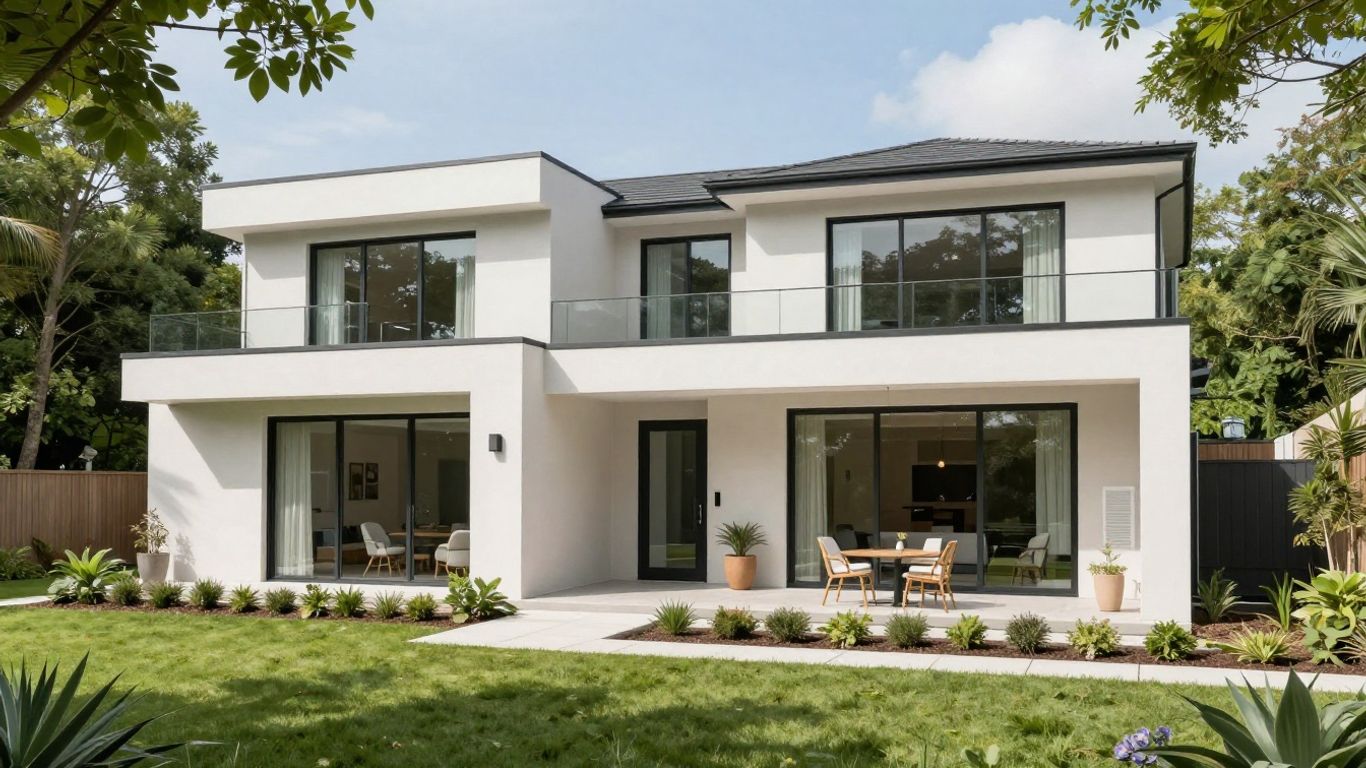
Thinking about building a new home? Maybe you’ve got a growing family, or perhaps you’re looking for a smart way to invest. Dual living home designs, also known as duplexes, are becoming super popular. They’re basically two homes built together, often under one roof. This setup offers a lot of flexibility, whether you want to live with family, have a place for adult kids, or even rent out one side for extra cash. Let’s check out what makes these designs work so well.
Key Takeaways
- Dual living home designs offer flexibility for modern families, allowing for multi-generational living or rental income.
- These homes can be a smart financial move, potentially helping pay off a mortgage faster or increasing investment returns.
- Key design elements include prioritizing privacy, separate entrances, and good soundproofing between units.
- Understanding local council rules and building approvals is important before starting construction.
- Various architectural styles exist, from contemporary to ranch, to suit different tastes and block types.
Understanding Dual Living Home Designs
So, what exactly is a dual living home? Think of it as a single property that’s cleverly designed to house two separate, independent living spaces. It’s not just about cramming two units onto one block; it’s about smart design that allows for privacy and functionality for everyone involved. This setup is becoming super popular for modern families and savvy investors alike.
Why the buzz? Well, there are a few big reasons. For families, it’s a fantastic way to keep loved ones close while still giving everyone their own space. Imagine aging parents living next door, or adult children who need a bit more independence but aren’t quite ready to fly the nest completely. It offers a support system without stepping on toes, which is pretty neat.
Then there’s the financial side of things. For investors, dual occupancy homes can be a goldmine. You get two rental incomes from one property, which can seriously speed up paying off a mortgage or just provide a steady stream of extra cash. It’s often more appealing to renters than other secondary dwelling options because you get two similar-sized homes, which feels more substantial. Plus, you’re dealing with just one land title and often fewer fees than owning two separate properties.
When you’re thinking about building one of these, there are a few things to keep in mind:
- Your Block: The size and shape of your land will dictate what kind of design is possible.
- Budget and Timeline: Like any build, having a clear idea of what you can spend and how long you want it to take is key.
- Local Rules: Councils have specific regulations about dual occupancy, so you’ll need to check those out early.
- Privacy: Designing for separation is a big deal. Think about separate entrances, soundproofing, and how the living areas are laid out.
Building a dual occupancy home means you’re not just constructing a house; you’re creating two distinct living environments within one structure. This requires careful planning to balance shared resources with individual needs, ensuring both spaces feel like complete, private homes.
These homes are more than just a trend; they’re a practical solution for a changing world. Whether you’re looking for a way to house your growing family or a smart investment, exploring dual living home designs is definitely worth your time. They offer a flexible and functional way to live or invest, often with a surprisingly low impact on your wallet compared to building two separate houses. It’s a smart way to get more out of your property and your lifestyle, providing independent living spaces within a single property, complete with separate entrances and amenities, making them ideal for multi-generational families or those seeking rental income. Key features often include their own kitchen, bathroom, and living areas.
Exploring Versatile Dual Living Floor Plans
When you’re thinking about a dual living home, the floor plan is where all the magic happens. It’s not just about having two separate spaces; it’s about making those spaces work for different needs, whether that’s for family, guests, or even to bring in some extra cash.
Multi-Generational Living Solutions
These homes are fantastic for families where different generations live under one roof. Think about adult children who need their own space but still want to be close to parents, or aging parents who want to maintain independence but have family nearby for support. Floor plans designed for this often feature two master suites, giving each generation a private retreat. It’s a smart way to keep the family connected while respecting everyone’s need for personal space. Some designs even offer two master suites that are equally appointed, making it feel like neither unit is secondary.
- Separate Entrances: Each unit typically has its own front door, offering a clear sense of ownership and privacy.
- Shared or Separate Living Areas: Some plans have a shared main living space, while others offer completely separate lounge and dining areas for each dwelling.
- Flexible Bedroom Configurations: You might find layouts with multiple bedrooms in each unit, adaptable for growing families or accommodating visiting relatives.
Income-Generating Dual Occupancy Options
This is where dual living really shines for investors or homeowners looking to offset their mortgage. You can live in one unit and rent out the other. This setup can significantly speed up paying off your home loan or provide a steady stream of rental income. The key is designing the units to be attractive to renters, which often means modern finishes and good separation. A well-designed duplex can often fetch better rental returns than a separate granny flat because they feel more like a complete, independent home. It’s a win-win for financial planning.
Designs Prioritizing Privacy and Independence
Even within the same structure, privacy is a big deal. Modern dual occupancy designs are really good at this. They use clever layouts to minimize noise transfer and ensure each dwelling feels like its own standalone house. This might involve placing bathrooms or utility spaces between the units, or ensuring that main living areas don’t directly share walls. Separate driveways and outdoor areas also play a big part. You want to feel like you have your own slice of the world, even if you’re sharing a title. It’s all about smart design that respects personal space.
The goal is to create two distinct homes that feel separate, even though they are attached. This means thinking about everything from where the windows face to how the sound travels between walls. It’s about building two comfortable, private homes that just happen to share a roof.
When looking at floor plans, consider how the living spaces are arranged. Some ranch-style homes, like the Beardslee plan, offer split bedroom layouts that can be adapted for dual living, providing natural separation. The trick is finding a plan that balances shared construction benefits with individual privacy needs.
Architectural Styles for Dual Occupancy Homes
When you’re thinking about a dual occupancy home, the look and feel are just as important as the layout. You want something that fits your neighborhood but also stands out a bit, right? Luckily, there are a bunch of architectural styles that work really well for these kinds of homes, making them attractive and functional.
Contemporary Dual Living Aesthetics
Modern dual living designs often lean into clean lines and smart use of materials. Think sleek finishes, large windows to let in natural light, and a generally minimalist vibe. These homes are built to feel spacious and airy, even when they’re housing two separate living spaces. They often feature open-plan areas that flow nicely, and the exteriors can be quite striking, using a mix of textures like wood, stone, and metal. This style really emphasizes a sophisticated and up-to-date look. It’s a popular choice for investors because these homes tend to have good market appeal.
Craftsman Bungalow Dual Occupancy Charm
If you prefer something with a bit more character, a Craftsman bungalow style can be a fantastic option for a duplex. These homes usually have a welcoming front porch, pitched roofs, and exposed structural elements like beams or rafters. Inside, you might find built-in cabinetry and a cozy, traditional feel. Even though it’s a duplex, the Craftsman style can make each unit feel like a unique, standalone home. It’s a great way to get that multi-generational living solution without sacrificing charm.
Ranch Style Duplex Living
Rancho-style homes are known for their long, low profiles and easy living. For a duplex, this often means a design that spreads out rather than going up, which can be great for accessibility. They typically have a simple, functional layout and often include features like attached garages and a connection to outdoor spaces. A ranch-style duplex can feel very grounded and private, offering a comfortable living situation for families or for rental income. It’s a practical choice that still offers plenty of living space.
Choosing the right architectural style isn’t just about looks; it’s about how the home functions and feels. It impacts everything from curb appeal to the daily experience of the people living there. A well-chosen style can make a dual occupancy home feel less like two units crammed together and more like two distinct, comfortable residences.
Here’s a quick look at how different styles can be adapted:
- Contemporary: Focuses on modern materials, open spaces, and sleek finishes.
- Craftsman: Emphasizes natural materials, detailed woodwork, and a cozy, traditional feel.
- Ranch: Prioritizes single-level living, simple layouts, and a connection to the outdoors.
These styles offer different vibes, but all can be adapted to create functional and attractive dual occupancy homes that meet the needs of modern families.
Maximizing Functionality in Dual Living Designs
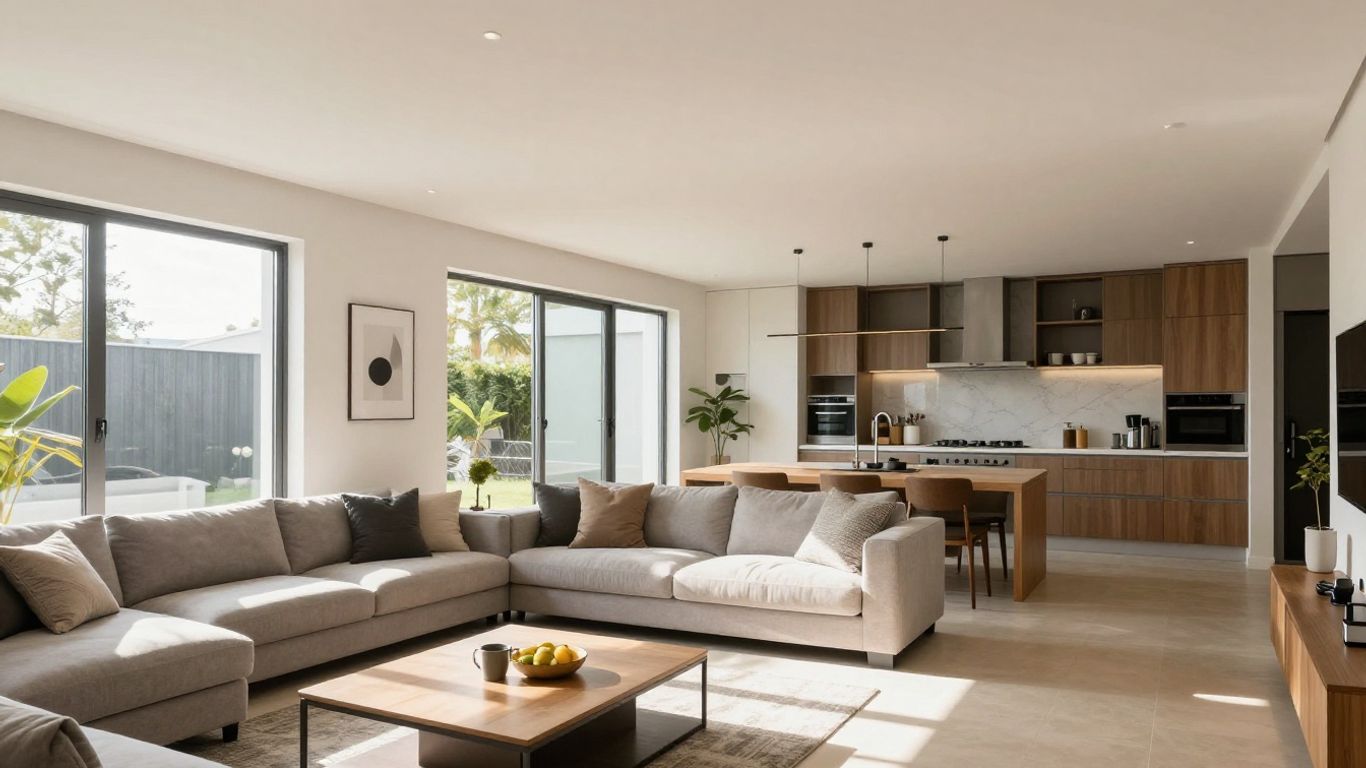
When you’re planning a dual occupancy home, making sure it works well for everyone is key. It’s not just about having two separate spaces; it’s about how those spaces connect, or don’t connect, and how the whole setup feels to live in day-to-day. Smart design choices can make a huge difference in how practical and comfortable your dual living setup is.
Open-Plan Living and Separate Entrances
One of the big wins in modern dual living is blending open-plan areas with the need for personal space. Think about how the main living, dining, and kitchen areas flow together. This can make smaller spaces feel much bigger and more inviting. But, it’s also important that each dwelling has its own clear entrance. This gives residents a sense of ownership and privacy, making it feel like a true standalone home, not just part of a larger structure. It’s about creating distinct zones within a shared footprint.
Soundproofing and Material Choices
Living close to others, even family, means noise can be an issue. Good soundproofing is a must. This isn’t just about thick walls; it involves smart material choices and construction techniques. Using materials that absorb sound, like certain types of insulation or acoustic plasterboard, can really cut down on noise transfer between units. Even the flooring you pick can play a role. Think about how different materials might affect the acoustics in each space. It’s a bit like building two homes that are right next to each other, but making sure you can’t hear your neighbor’s TV.
Integrating Indoor-Outdoor Living Spaces
Making the most of your block means looking at how the inside connects with the outside. For dual occupancy homes, this can mean giving each unit its own private outdoor area. This could be a small patio, a balcony, or a section of the garden. It gives residents a place to relax, entertain, or just get some fresh air without feeling like they’re intruding on the other dwelling. Well-designed outdoor spaces add a lot of value and livability to the home. It’s about extending the living space beyond the walls, giving each unit its own little slice of the outdoors.
When planning a dual occupancy home, consider the flow between spaces, the privacy of each unit, and how noise will be managed. These elements are just as important as the overall layout and aesthetics. Thinking through these details early on can prevent common issues and lead to a more harmonious living situation for everyone involved.
Here are some things to think about when planning your layout:
- Entry Points: Ensure each dwelling has a distinct and easily identifiable entrance.
- Noise Reduction: Plan for sound insulation between walls, floors, and ceilings.
- Private Outdoor Areas: Design separate, usable outdoor spaces for each unit.
- Natural Light: Maximize sunlight in living areas for a brighter feel.
- Storage: Include ample storage solutions in both units.
Choosing the right home design is a big step, and there are many resources available to help you select the perfect plan. Thinking about how you’ll use the space and what’s important for your lifestyle will guide you toward a design that truly works.
Navigating Regulations for Dual Occupancy Builds
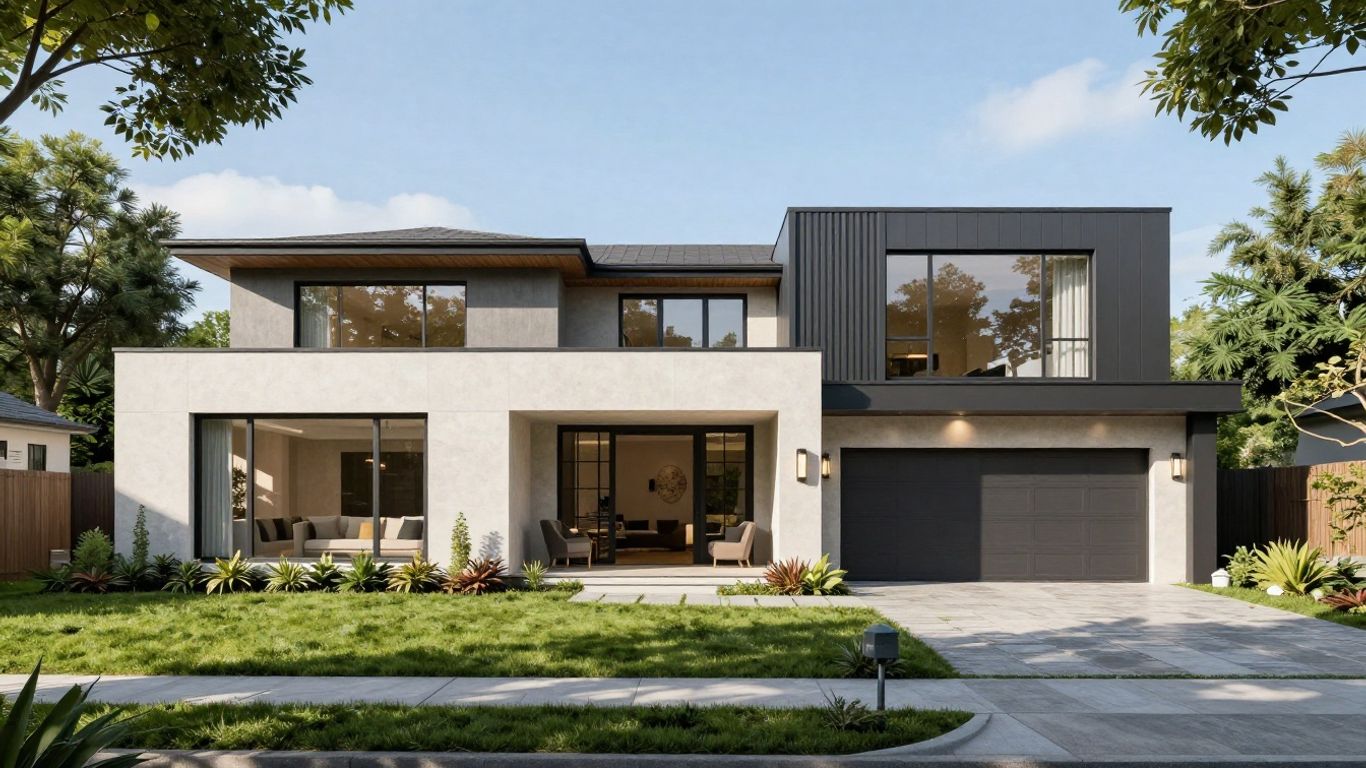
So, you’re thinking about building a dual occupancy home? That’s pretty cool. It can be a smart move for families or even as an investment. But before you get too far into picking out paint colors, you’ve got to deal with the paperwork and rules. It’s not always the most exciting part, but it’s super important.
Understanding Local Council Requirements
Every town or city has its own set of rules when it comes to building, and dual occupancy is no different. These aren’t just suggestions; they’re official requirements that dictate what you can and can’t do. You’ll need to check with your local council to find out exactly what’s allowed on your specific block of land. They’ll have details on things like minimum lot sizes, how close you can build to property lines, and even how many dwellings are permitted in certain zones. It’s a bit like a treasure hunt, but instead of gold, you’re looking for permits and approvals. Sometimes, you can get a Complying Development Certificate, which can speed things up, but not every project qualifies for that. It’s best to know the rules before you even start sketching out your dream home.
Streamlining the Building Approval Process
Getting the green light to build can feel like a marathon. The approval process usually involves submitting detailed plans and documentation to the council. They’ll review everything to make sure it meets all the local building codes and zoning laws. If your plans are well-thought-out and address all the requirements upfront, you’ll likely have a smoother ride. Sometimes, having a professional designer or builder who knows the ropes can make a big difference. They can help prepare the right documents and communicate effectively with the council. It’s all about being prepared and organized.
Here’s a general idea of what to expect:
- Initial consultation with the local council to understand specific requirements.
- Preparation and submission of detailed architectural and engineering plans.
- Review by council planners and building surveyors.
- Addressing any feedback or requests for modifications.
- Issuance of the building permit.
Maintaining Neighborhood Character
Councils also care about how new buildings fit into the existing neighborhood. They want to make sure that dual occupancy homes don’t stick out like a sore thumb or negatively impact the look and feel of the area. This can involve considerations for things like landscaping, the style of the building, and even parking. It’s about finding a balance between creating a functional dual-living space and being a good neighbor. You might need to think about how your build will affect things like sunlight for your neighbors or the street’s overall appearance. It’s a good idea to look at what’s already around your property and try to complement it. This helps keep the community looking good and can prevent issues down the line. You can find more details on specific zoning rules for dual occupancies on your local council website.
Building a dual occupancy home involves more than just the design and construction; it requires careful attention to local regulations and approval processes. Understanding these requirements from the outset can save you time, money, and a lot of headaches. It’s about working within the system to create a great living space that also fits harmoniously into its surroundings.
Innovative Dual Living Home Design Examples
So, you’re thinking about dual living, huh? It’s a smart move, whether you’re looking to house a growing family, bring in some extra cash, or just want a bit more space and flexibility. But what do these homes actually look like? Let’s check out a few real-world examples that show how this concept can be done right.
The Sorrento: A Mirror Duplex Design
The Sorrento is a clever design that works well on many different block sizes. What makes it stand out is how it places the bathrooms right in the middle, separating the kitchen and living areas. This isn’t just about layout; it’s a smart way to cut down on noise between the two sides. Plus, it lets the main living spaces get the most out of natural light, making both homes feel bright and airy. It’s a great example of how thoughtful planning can make two homes feel like one cohesive, yet separate, living space.
The Peru: Spacious Dual Family Living
If you need room for two families to live comfortably, the Peru floor plan is worth a look. It’s designed with plenty of space, often spread over two levels, and can boast features like 8 bedrooms and 6 bathrooms. Think about having a roomy garage and an outdoor alfresco area perfect for gatherings. This design really focuses on providing ample space for everyone, making it ideal for larger families or those who entertain a lot. It’s a solid choice for multi-generational living where everyone gets their own slice of comfort.
The Vittoria: Double Delight Floor Plan
The Vittoria takes the idea of dual living and really runs with it, offering distinct living zones within each unit. Imagine having a formal living area at the front of the home and a more casual family room at the back, all connected by a functional kitchen and dining space. This setup is fantastic for entertaining, allowing different groups to enjoy their own areas without feeling crowded. It’s a design that truly offers a double dose of living space and functionality, making it a real crowd-pleaser.
These examples show that dual occupancy doesn’t mean sacrificing style or comfort. They highlight how smart design can create separate, private spaces while still feeling connected and functional for modern living.
When considering these designs, remember that local regulations play a big part. It’s always a good idea to check with your local council requirements to see what’s possible in your area. Understanding these rules early on can save a lot of headaches down the line. These plans are a great starting point for imagining your own dual living setup, offering solutions for privacy and independence within a shared structure.
Wrapping It Up
So, we’ve looked at how dual living homes really offer a smart way for families to live today. Whether you’re thinking about having parents or adult kids move in, or even looking to rent out a part of your home for some extra cash, these designs give you options. They’re built with privacy and comfort in mind, so everyone gets their own space while still being close. It’s a practical choice that makes a lot of sense for modern living, giving you flexibility without sacrificing style. If you’re considering your next home, a dual living design might just be the perfect fit for your family’s needs.
Frequently Asked Questions
What exactly is a dual living home?
A dual living home is basically two homes built together, often under one roof. Think of it like a duplex. Each home is separate and has its own entrance, kitchen, and bathroom, giving everyone their own space while still being connected.
Why are dual living homes becoming so popular?
They’re popular for a few big reasons! Families can live together, like grandparents and their kids, but still have their own private areas. It’s also a smart way for investors to make extra money by renting out one of the homes, or for homeowners to help pay off their mortgage faster.
How do dual living homes keep things private?
Good designs focus on privacy. This means separate entrances, good soundproofing between the homes so you don’t hear your neighbors, and smart layouts that give each home its own feel. It’s designed so you feel like you’re in your own standalone house.
Can I rent out one side of a dual living home?
Absolutely! Renting out one of the homes is a common reason people choose this type of house. It can bring in extra income, which is great for paying off loans or just having more money for other things. Duplexes are often very attractive to renters.
What should I think about before building a dual living home?
You’ll need to consider your budget and how long it will take to build. Also, think about the design you want, the materials you’ll use, and any rules from your local town or city about building. The size and shape of your land are important too.
Are there different styles of dual living homes?
Yes, there are many styles! You can find modern, sleek designs, charming ones like Craftsman bungalows, or simple Ranch styles. The goal is to find a style that looks good and fits your taste, while still being practical.