
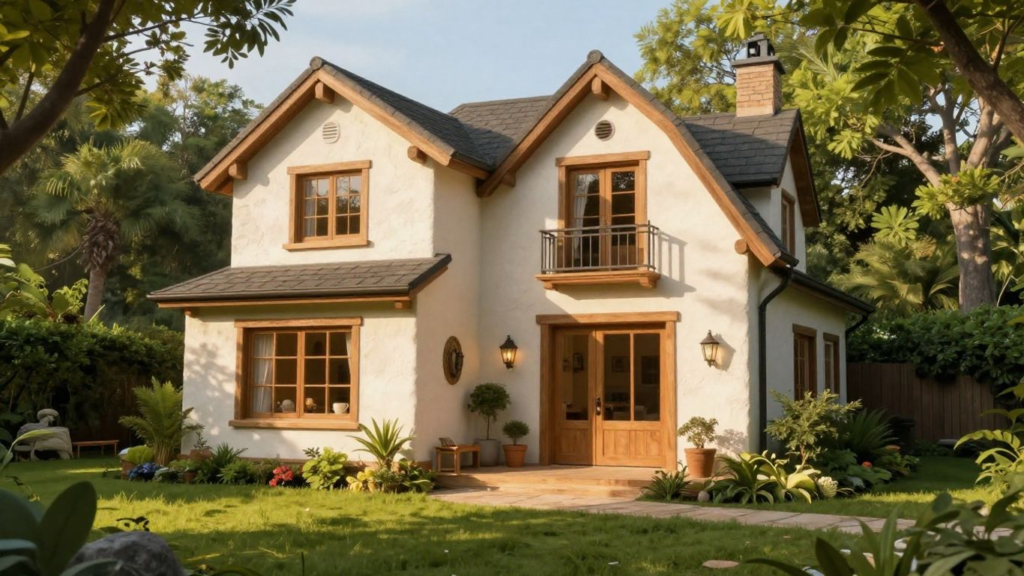
Thinking about building a home that really feels like *you*? Forget cookie-cutter houses. Boutique homes are where it’s at if you want something special. These places aren’t just buildings; they’re designed with a lot of thought to stand out and feel good to live in. Whether you’re dreaming of a cozy cabin or a modern marvel, there’s a boutique home design out there waiting for you.
Key Takeaways
- Boutique homes offer unique architectural styles that tell a story, moving beyond generic designs to create personalized living spaces.
- The design process for a boutique residence focuses on translating your personal vision into a functional and beautiful home, with expert plans tailored to your lifestyle.
- Living in a boutique home provides unparalleled comfort, unique spaces for both entertaining and quiet time, and a sense of prestige.
- These homes can draw inspiration from various aesthetics, from historical grandeur to sleek modern looks, blending timeless appeal with current needs.
- Building a boutique home involves careful consideration of location, climate, and site specifics, alongside cost-effective engineering and clear design for lasting quality.
Embracing the unique charm of boutique homes
Architectural styles that tell a story
Boutique homes are more than just structures; they are personal statements. Unlike mass-produced houses, these residences often draw inspiration from a rich tapestry of architectural styles, each with its own narrative. Some might echo the grandeur of historical periods, featuring intricate details and opulent finishes that transport you to another time. Others might lean into a sleek, contemporary aesthetic, defined by clean lines and advanced technology. The true charm lies in this individuality. It’s about choosing a style that speaks to you and reflects your personal journey.
Bespoke masterpieces for elevated living
What truly sets a boutique home apart is its nature as a bespoke masterpiece. These aren’t cookie-cutter designs; they are custom creations tailored to the owner’s specific desires and lifestyle. Think of it as commissioning a piece of art, but on a grander scale – your home. This level of personalization means every element, from the layout to the smallest finishing touches, is considered and intentional. It’s about crafting a living space that doesn’t just house you, but truly complements and elevates your daily life. This approach often results in homes that feel both luxurious and deeply personal, a rare combination in today’s housing market. For inspiration on creating such spaces, exploring designer secrets can be quite revealing.
Timeless elegance meets modern sophistication
Many boutique homes strike a beautiful balance between timeless elegance and modern sophistication. They might incorporate classic architectural themes, proven to endure through the years, but integrate them with the latest construction methods and amenities. This fusion ensures the home is not only aesthetically pleasing but also practical and comfortable for contemporary living. The goal is to create a residence that feels both classic and current, a place that can be cherished for generations. This thoughtful blend is key to a home’s lasting appeal and its ability to adapt to changing times while retaining its core character. It’s about building a sanctuary that feels both familiar and forward-thinking, a perfect reflection of your own evolving tastes and needs.
Designing your dream boutique residence
Translating your vision into a beautiful home
Getting your ideas down on paper is the first real step toward making your dream home a reality. It’s about taking those thoughts and feelings about how you want to live and turning them into something concrete. Think about your daily routine: do you work from home? Do you love to entertain? Are you looking for quiet spaces for yourself? Answering these questions helps shape the layout and features of your home. It’s important to consider who will be involved in the decision-making process early on, as too many opinions can sometimes complicate things. The goal is to create a space that truly reflects you and your lifestyle, not just a generic house. You can find a lot of inspiration for home decor ideas to get your creative juices flowing.
A simple, step-by-step design process
Creating a custom home doesn’t have to be overwhelming. It typically follows a straightforward path. First, you share your vision and specific needs. Then, designers will develop initial sketches and designs for your review. This stage involves back-and-forth until you’re happy with the direction. Once approved, detailed construction documents are created, which act as the blueprint for building. This structured approach helps ensure all your requirements are met, from the overall look to the flow between rooms.
Here’s a general breakdown:
- Vision & Needs Assessment: Clearly define your lifestyle, preferences, and functional requirements.
- Conceptual Design: Designers create initial sketches and floor plans based on your input.
- Design Development: Refine the chosen design, incorporating feedback and adding detail.
- Construction Documents: Produce detailed drawings and specifications for building.
Expertly crafted plans for your unique lifestyle
Your home’s interior is where you’ll spend most of your time, so it deserves careful attention. The interior design should logically connect with the exterior architecture. For instance, an open-plan modern layout needs different finishing details than a home with separate, traditionally styled rooms. When planning interiors, remember that each room has six surfaces to consider – walls, ceiling, and floor – all offering opportunities for design. It’s about creating a cohesive and functional space that supports your interests and daily life. You might find inspiration by looking at stunning interior design projects to see how others have approached their living spaces.
The lifestyle afforded by boutique homes
Unparalleled comfort and convenience
Living in a boutique home means stepping into a world designed for your personal comfort. These aren’t just houses; they’re carefully crafted spaces meant to make daily life easier and more enjoyable. Think about kitchens that are a joy to cook in, bathrooms that feel like a personal spa, and living areas that flow perfectly for both quiet evenings and lively gatherings. The focus is always on how you live and what makes you feel good in your own space. It’s about having everything you need right where you need it, without unnecessary fuss. This attention to detail translates into a home that supports your lifestyle, rather than one you have to work around.
Expansive spaces for entertaining and solitude
Boutique homes often feature thoughtful layouts that balance social areas with private retreats. You might find generous living rooms and dining areas perfect for hosting friends and family, complete with high-end finishes and ample natural light. But just as important are the quiet nooks and private suites where you can unwind and recharge. Whether it’s a cozy reading corner, a dedicated home office, or a master suite that feels like a personal sanctuary, these homes understand the need for both connection and personal space. The outdoor areas are usually just as well-considered, offering opportunities for outdoor dining, gardening, or simply enjoying a moment of peace.
Prestige and status in exclusive enclaves
Owning a boutique home often means being part of an exclusive community. These properties are frequently located in sought-after neighborhoods, surrounded by other well-maintained residences and offering a sense of privacy and security. This placement contributes to the overall prestige associated with boutique living. It’s more than just a house; it’s a statement about your achievements and your appreciation for quality and design. This sense of belonging to a distinguished community is a significant part of the lifestyle boutique real estate offers.
Here’s a look at what contributes to this lifestyle:
- Thoughtful Layouts: Spaces designed for both social interaction and personal downtime.
- High-Quality Finishes: Materials and fixtures chosen for durability and aesthetic appeal.
- Prime Locations: Situated in desirable neighborhoods that offer privacy and convenience.
- Sense of Community: Being part of an exclusive enclave with like-minded individuals.
The design of a boutique home is intrinsically linked to the lifestyle it supports. Every element, from the grand entrance to the smallest detail in a private study, is intended to create an environment that is both beautiful and highly functional, reflecting the owner’s personal taste and aspirations.
Exploring diverse architectural aesthetics
When you’re thinking about a boutique home, the style really sets the tone. It’s not just about walls and a roof; it’s about the story the house tells. You’ve got a few main paths you can go down, each with its own feel.
Historical significance and opulent interiors
Some people love the idea of a home that feels like it has a past. Think grand estates or charming old-world villas. These designs often feature intricate details, like detailed moldings, high ceilings, and maybe even some decorative stonework. They bring a sense of timeless elegance, a nod to craftsmanship from another era. It’s about creating a space that feels rich and full of character, almost like living in a piece of history. This approach often involves careful attention to materials and finishes that echo traditional building methods, giving the home a deep sense of place and permanence.
Sleek, contemporary design with cutting-edge amenities
On the other end of the spectrum, there’s the modern, minimalist approach. These homes are all about clean lines, open spaces, and smart technology. They often use materials like glass, steel, and concrete to create a look that’s both sophisticated and forward-thinking. Inside, you’ll find the latest in home automation, energy efficiency, and high-end finishes. It’s a style that suits a lifestyle focused on innovation and a streamlined aesthetic. These designs often prioritize natural light and a connection to the outdoors, even in urban settings. For inspiration on this style, you might look at contemporary home designs.
Transitional, Mediterranean, and classical influences
Beyond the extremes, there’s a whole lot of beautiful middle ground. Transitional styles blend elements of traditional and modern design, offering a comfortable yet sophisticated feel. Mediterranean homes bring warmth and a relaxed vibe with features like stucco exteriors, tile roofs, and courtyards. Classical influences, like French chateaus or Italian villas, offer a sense of grandeur and timeless appeal. Each of these styles offers a different way to express personality and create a unique living environment.
- Transitional: A blend of old and new, offering comfort and style.
- Mediterranean: Evokes warmth with stucco, tile, and courtyards.
- Classical: Grandeur and timeless appeal, drawing from historical European architecture.
Choosing an architectural style is a deeply personal decision. It’s about finding a design that not only looks good but also feels right for how you want to live your life. Consider what kind of atmosphere you want to create and what kind of statement, if any, you wish your home to make.
Ultimately, the beauty of a boutique home is its ability to be tailored to your specific tastes. Whether you’re drawn to the echoes of the past or the innovations of the future, there’s an architectural aesthetic that can form the foundation of your dream residence. Exploring these diverse styles can help you pinpoint the look and feel that truly speaks to you, leading to a home that is both beautiful and functional. You can find a wide range of boutique home inspirations to get your ideas flowing.
Crafting boutique homes with lasting appeal
Integrating traditional themes with modern best practices
When we talk about building a home that feels like it will stand the test of time, it’s really about blending the best of what’s old with what’s new. Think about classic architectural styles – they’ve been around for ages for a reason. They have a certain quality and proportion that just works. We like to take those tried-and-true themes and mix them with today’s building methods and materials. It’s about making sure your home is not only beautiful but also built solid and efficient. This approach ensures your home is both a timeless piece of art and a practical, comfortable living space. We pay attention to details like updated construction standards and making sure the plans meet current building codes, so you don’t have to worry about that later.
Designs that are cherished and maintained
What makes a house design something people want to keep and care for? It’s usually the ones that have a certain charm and character, the ones that feel special. We focus on creating designs that have this quality. It’s not just about following trends; it’s about creating spaces that people connect with. When a home has a unique story or a particular feel, owners tend to take more pride in it and keep it well-maintained. This is why we look at things like home design trends for 2026 that focus on warmth and character, rather than just fleeting fads. A well-loved home is one that gets passed down, not one that gets torn down.
Heirloom quality for future generations
Building a home is a big deal, and you want it to be something that can be enjoyed for years, maybe even by your kids or grandkids. That’s where the idea of heirloom quality comes in. It means designing and building with a focus on durability and timeless style. We integrate traditional architectural themes that have proven their staying power and pair them with modern construction best practices. This means your home will not only look good but also function well and stand up to the elements. It’s about creating a legacy, a place that holds memories and continues to be a source of comfort and pride for generations to come. We aim for designs that are cherished and maintained, becoming true family heirlooms. For example, a modern farmhouse style can offer that blend of classic appeal and modern functionality that many families look for.
The importance of location in boutique home design
Climate considerations for exterior materials
Where you build your home really matters, and not just for the view. The climate plays a big part in what materials will last and look good over time. For instance, in places with harsh winters, you have to think about things like freeze-thaw cycles. Materials that can handle that are key. In warmer areas, you might worry more about sun exposure and heat. Choosing the right exterior materials means your home will stand up better to the local weather. A red brick house might feel extra hot in Florida, while a cool stucco finish could be a better fit. It’s about making smart choices that work with, not against, your environment. This is a big part of creating luxury interior design that feels right for its setting.
Environmental harmony and aesthetic fit
Beyond just the weather, the overall environment around your home should feel right. Imagine a sleek, modern house plopped down in the middle of a dense, old forest – it might just look out of place. Similarly, a Mediterranean-style villa might seem odd if it’s surrounded by traditional, smaller homes in a suburban neighborhood. The goal is for your boutique home to blend in, or at least complement, its surroundings. This doesn’t mean every house has to look the same, but there should be a sense of belonging. Think about how the natural landscape, existing architecture, and even the general vibe of the area can influence your design choices. Sometimes, a site overlooking the ocean or mountains can inspire a design that’s a bit more unique, maybe leaning into a regional style. It’s about creating a home that feels like it belongs there.
Topography's impact on multi-level designs
If you’re thinking about a home with more than one level, the land itself becomes a major factor. A steep slope might be perfect for a walk-out basement or a design that follows the contours of the hill, offering interesting views and distinct living areas. On the other hand, a very flat lot might lend itself to a more spread-out, single-story design. The way the land slopes can affect everything from where you place the driveway to how you manage drainage. It can also influence the overall structure and how much excavation is needed. For multi-level homes, understanding the topography is key to making sure the house is not only stable but also takes full advantage of the site’s natural features. It’s a puzzle that, when solved well, can lead to a truly special home.
Building a home is a significant undertaking, and unlike many other products, you can’t really test-drive it for a few years to work out the kinks. The design you and your architect come up with is pretty much what you’ll get. That’s why considering all the factors, especially the location, right from the start is so important. It helps avoid costly mistakes and ensures you end up with a home that’s not just beautiful but also practical and well-suited to its place in the world. Making the right choices upfront can save a lot of headaches down the road, much like knowing you’re getting a turnkey property means you won’t have to deal with immediate repairs.
Visualizing your boutique home possibilities
Stunning furnished pictures and video walkthroughs
Before you even break ground, you need to see what your future home will actually look like. High-quality photos of furnished spaces and detailed video walkthroughs can really bring a design to life. It’s one thing to look at blueprints, but it’s another to virtually walk through rooms, get a feel for the scale, and imagine yourself living there. These visuals help bridge the gap between a concept on paper and the tangible reality of your dream residence. Seeing a space furnished can also give you ideas for your own decor. It’s a great way to start planning the inside of your home before the outside is even finished.
Interactive 3D tours for scale and flow
Beyond static images and videos, interactive 3D tours offer a whole new level of immersion. You can often control the viewpoint, move through the house at your own pace, and get a true sense of the spatial relationships between rooms. This is particularly helpful for understanding how different areas flow into one another and for judging the actual size of spaces. It’s like having a virtual model you can explore from every angle, helping you make more informed decisions about layouts and potential modifications. This technology is quietly transforming the luxury interior design landscape.
Custom interior renders for material selection
Once the main design is taking shape, custom interior renders become invaluable. These detailed visualizations allow you to see exactly how different materials, finishes, and color palettes will look in your home. Want to see how that particular shade of granite countertop pairs with the cabinetry? Or how a specific flooring material will look in the living room? Renders can show you this, helping you avoid costly mistakes and ensuring you’re happy with every detail before committing to purchases. It’s a practical step that saves time and potential regret down the line.
Building your boutique home with confidence
Cost-effective engineering for easier builds
When you’re thinking about building a custom home, it’s easy to get caught up in the aesthetics and the dream of the finished product. But what about the practical side? Making sure your home is designed to be straightforward and affordable to construct is a big part of building with confidence. This often comes down to smart engineering from the start. Think about minimizing complex foundation corners or using standard truss systems and simple rooflines wherever possible. These choices can really cut down on labor and material costs without sacrificing the look you want. It’s about finding that balance between a unique design and a build that makes sense financially and logistically. A good designer will consider these factors from day one, making the whole process smoother.
Minimizing complexity in foundation and rooflines
Foundations and rooflines are two major areas where complexity can drive up costs and create potential issues. For foundations, sticking to simpler shapes and avoiding excessive steps or angles can make a significant difference. Similarly, roof designs that use standard pitches and fewer intersecting planes are generally easier and cheaper to build. This doesn’t mean your home has to look basic; it’s about clever design that achieves your desired style while keeping construction manageable. For example, a well-designed gable roof can look classic and is far simpler than a complex hip-and-valley system. It’s about working with standard building practices to your advantage. You can still get that custom feel without adding unnecessary construction headaches.
Coordinated routes for mechanical systems
It might not be the most glamorous part of home design, but planning for your home’s mechanical systems – like plumbing, electrical, and HVAC – is incredibly important for a smooth build and a comfortable home. When these systems are coordinated from the beginning, it means there are clear, planned routes for ductwork, pipes, and wiring. This avoids last-minute problems where installers have to figure out how to fit everything in, which can lead to delays and extra costs. A well-thought-out plan ensures that everything fits together properly, making the construction process more efficient. This attention to detail in the plans is a hallmark of a home built with care and foresight, contributing to that overall sense of confidence in your project. It’s a key part of creating a home that functions as well as it looks, and you can find builders who focus on this personalized service for your unique needs.
Building a home is a significant undertaking, and approaching it with a solid, well-engineered plan is key. Focusing on cost-effective engineering, simplifying structural elements like foundations and roofs, and meticulously planning for mechanical systems all contribute to a smoother construction process. This proactive approach helps prevent unexpected issues, keeps the project on budget, and ultimately leads to a home you can be proud of and enjoy for years to come.
Partnering for your boutique home journey
Empowerment Through Knowledge and Tools
Building a custom home can feel like a big undertaking, but it doesn’t have to be overwhelming. The key is having the right support and information. Think of it like planning a trip; you wouldn’t just show up at the airport without a ticket or a destination, right? Similarly, with a boutique home, having access to resources that explain the process, potential costs, and design considerations makes all the difference. Many designers now offer tools like cost calculators or guides to help you understand what goes into building your dream space. This way, you’re not just a passive observer but an active participant in creating your home. It’s about feeling confident and informed every step of the way, turning what might seem daunting into an exciting adventure. For instance, understanding the construction process can demystify the entire experience.
Direct Communication With Your Home Designer
One of the biggest advantages of the boutique home approach is the direct line of communication you get with the person designing your home. Instead of going through layers of people, you often get to speak directly with the architect or designer. This means your ideas and concerns are heard clearly and quickly. It’s like having a conversation with a friend about your vision, but with a professional who can translate those thoughts into actual blueprints. This personal connection helps ensure the final design truly reflects your lifestyle and preferences. It’s a collaborative effort, where your input is genuinely valued and integrated into the plan. This direct interaction is what makes the design process feel personal and tailored, not generic.
Resources for Construction-Related Questions
Even with a great design, building a home involves many practical questions. What materials work best in your climate? How do different foundation types affect the build? What are the best ways to coordinate plumbing and electrical systems? Having access to a designer or firm that provides ongoing support for these construction-related questions is incredibly helpful. They can offer insights based on their experience, helping you avoid common pitfalls and make informed decisions. This support system is invaluable, especially if you’re new to building. It’s about having a knowledgeable partner to turn to when questions inevitably arise during the construction phase, making the journey smoother and more successful. Some services even offer advice on how to maximize property value through thoughtful design choices during the build.
Unique designs for every boutique home vision
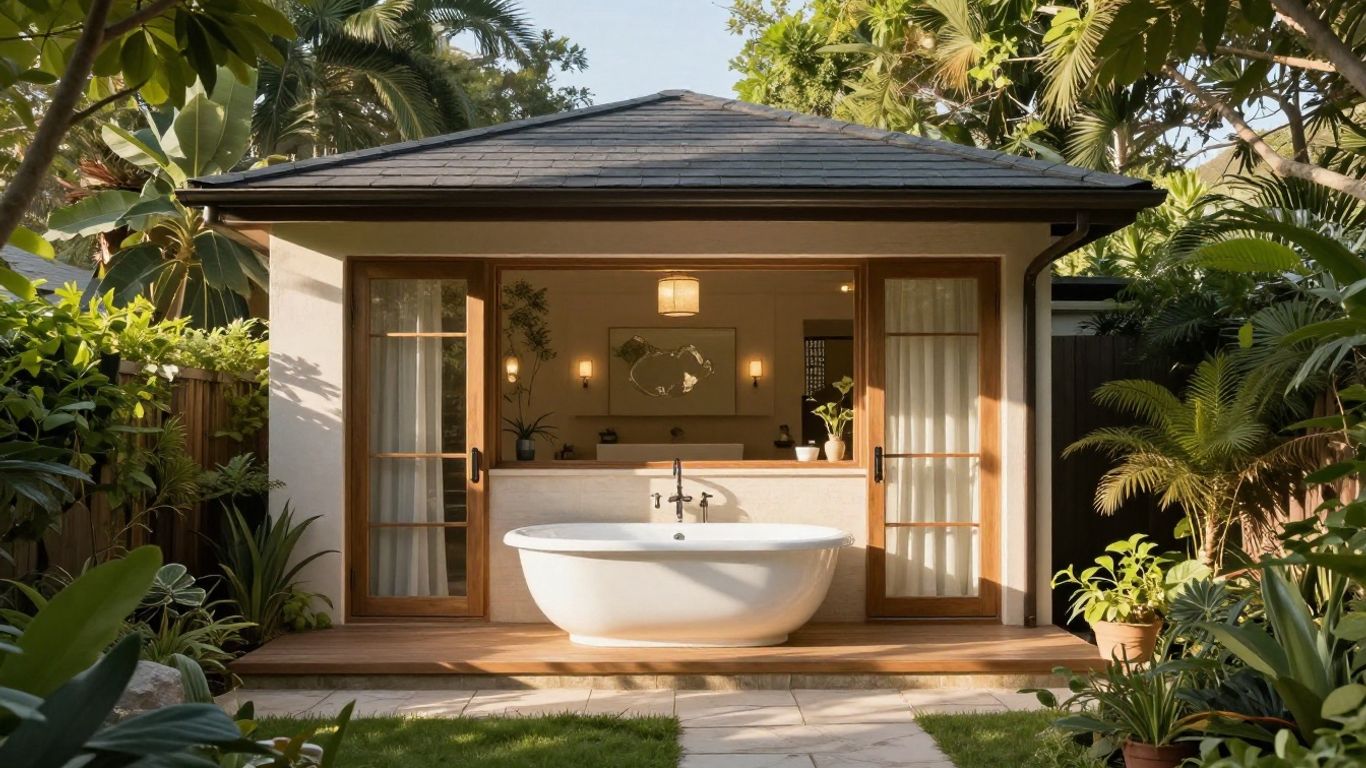
When you’re thinking about a boutique home, it’s really about making something that’s yours, down to the last detail. It’s not just about picking a floor plan off a shelf; it’s about creating a space that fits how you live, what you love, and what makes you feel good. There are so many directions you can go with this, and it’s exciting to explore what’s out there.
Rustic and mountain-inspired retreats
Imagine a cozy cabin nestled in the woods or a lodge with grand views of the mountains. These homes often use natural materials like wood and stone, giving them a warm, earthy feel. Think exposed beams, stone fireplaces, and big windows to take in the scenery. They’re designed to feel like a sanctuary, a place to unwind and connect with nature. It’s about creating a sense of peace and quiet, away from the hustle and bustle.
Modern farmhouses and traditional styles
Farmhouse style has really taken off, blending the charm of country living with clean, modern lines. You’ll see features like large porches, gabled roofs, and often a mix of siding and stone. On the other hand, traditional styles offer a sense of history and elegance. These can range from classic colonial designs to more ornate European-inspired homes. The key here is attention to detail, like decorative trim, well-proportioned windows, and a sense of established character. It’s about creating a home that feels both comfortable and sophisticated.
Plans catering to core human needs
Ultimately, the best boutique home designs focus on what humans really need. This means thinking about:
- Shelter: A safe and secure place to live.
- Comfort: Spaces that are inviting and relaxing.
- Functionality: Layouts that make sense for daily life and activities.
- Beauty: Aesthetics that bring joy and a sense of well-being.
- Connection: Areas that encourage spending time with loved ones or enjoying quiet solitude.
Building a custom home, even a boutique one, can feel like a big project. But with the right approach and a clear vision, it’s entirely achievable. Focusing on these core needs helps ensure the final home is not just beautiful, but also deeply livable and satisfying for years to come. It’s about creating a space that truly feels like your dream home.
These designs are about more than just looks; they’re about creating a lifestyle. Whether you’re drawn to the rugged charm of the mountains or the timeless appeal of traditional architecture, there’s a boutique home design out there waiting to be brought to life. It’s about crafting a residence that reflects your personality and supports the life you want to live, a place that feels uniquely yours.
Looking for that perfect touch for your small home? We have amazing ideas to make any space feel special and unique. Let us help you create the home of your dreams. Visit our website to see how we can bring your vision to life!
Your Unique Home Awaits
Building a home that truly feels like yours is a big step. Whether you’re drawn to the timeless elegance of classic designs or the clean lines of modern styles, boutique homes offer a way to express your personal taste. These aren’t just houses; they’re spaces built with care, designed to fit your life. From the initial ideas to the final touches, the process can be straightforward, leading to a residence that’s both beautiful and functional. It’s about creating a place that reflects who you are and how you want to live, a home that you’ll be happy with for years to come.
Frequently Asked Questions
What makes a boutique home special?
Boutique homes are special because they’re designed to be unique and reflect your personal style. Unlike regular houses, they often have special architectural details and feel more like a custom piece of art than just a place to live. They offer a chance to live in a home that truly stands out.
Can I really design my own dream home?
Absolutely! The process starts with your ideas. Designers work with you to turn your vision into a reality, creating plans that fit your lifestyle and dreams. It’s a step-by-step journey to build a home that’s perfectly suited for you.
What kind of lifestyle do boutique homes offer?
These homes provide a really comfortable and convenient way of living. They often have great spaces for having friends over or for quiet time alone. Living in a boutique home can also bring a sense of pride and status, as they are often found in nice, exclusive neighborhoods.
What different styles can a boutique home have?
Boutique homes can look like many different things! Some might remind you of old castles or fancy old houses with lots of details. Others are super modern with the latest technology. You can also find styles that mix old and new, or ones inspired by places like the Mediterranean.
How do you make sure a boutique home looks good for a long time?
Good boutique home designs blend classic looks that never go out of style with modern building methods. This makes them beautiful and easy to take care of. The goal is to create homes that people will love and want to keep looking great for many years, even for future families.
Does the location matter when designing a boutique home?
Yes, location is very important! The weather in an area affects what materials work best outside. How a house looks should also fit in with the natural surroundings. Even the shape of the land can change how a multi-story house is designed.
How can I see what my boutique home might look like?
You can see amazing pictures of decorated homes, watch video tours, and even take virtual 3D tours to get a feel for the space. Designers can also create special pictures showing how your home will look with the colors and materials you choose.
Is building a custom boutique home difficult or expensive?
Builders often design these homes to be easier and more affordable to construct by using smart engineering, like simple roof shapes and planned spaces for pipes and wires. The aim is to make building your dream home achievable without unnecessary complications or costs.