
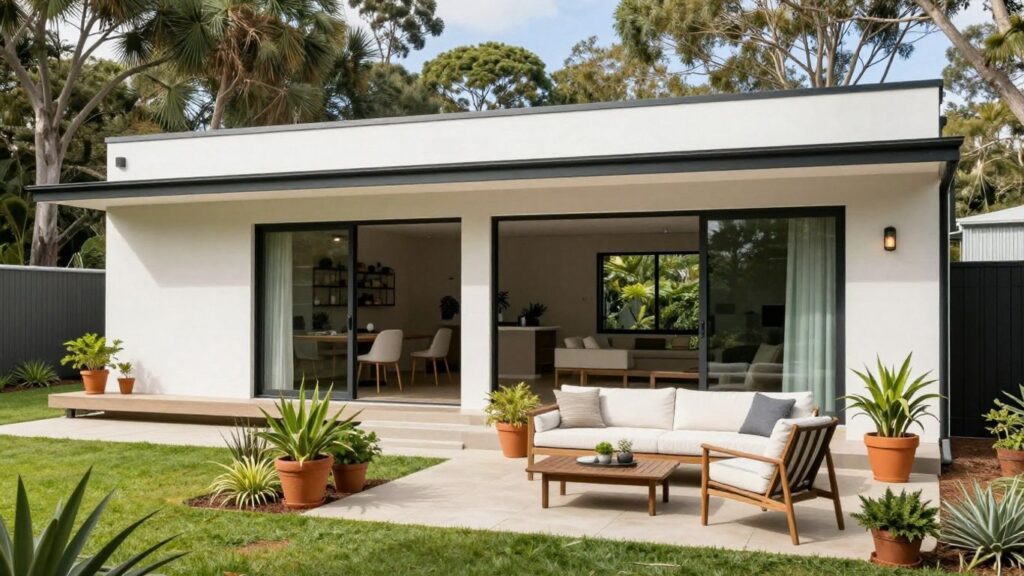
Thinking about buying a boutique home in Australia? It’s a big step, and honestly, it can feel a bit overwhelming at first. You’ve got your reasons for wanting something a bit different, a place that really feels like *you*. This guide is here to break down the process, from figuring out what you actually want to making sure you don’t miss any important details. We’ll cover everything you need to know to find and buy your perfect boutique home, without all the usual stress.
Key Takeaways
- Figure out exactly why you want a boutique home and what your lifestyle needs are. This makes it much easier to find the right place.
- Know what features are absolute must-haves for your new place and what you’d rather avoid. Think about things like space, design, and how much work you want to put into maintenance.
- Get a clear picture of your budget early on. Remember to add extra for all those buying costs, and look into how currency exchange rates work if you’re moving money from overseas.
- When it’s time to make an offer, know your budget inside out and what contract terms are most important to you. Doing your homework on the local market helps a lot.
- Building your own boutique home? Make sure you have a clear vision and work with builders who understand regulations and your unique ideas.
Understanding your motivations for buying boutique homes
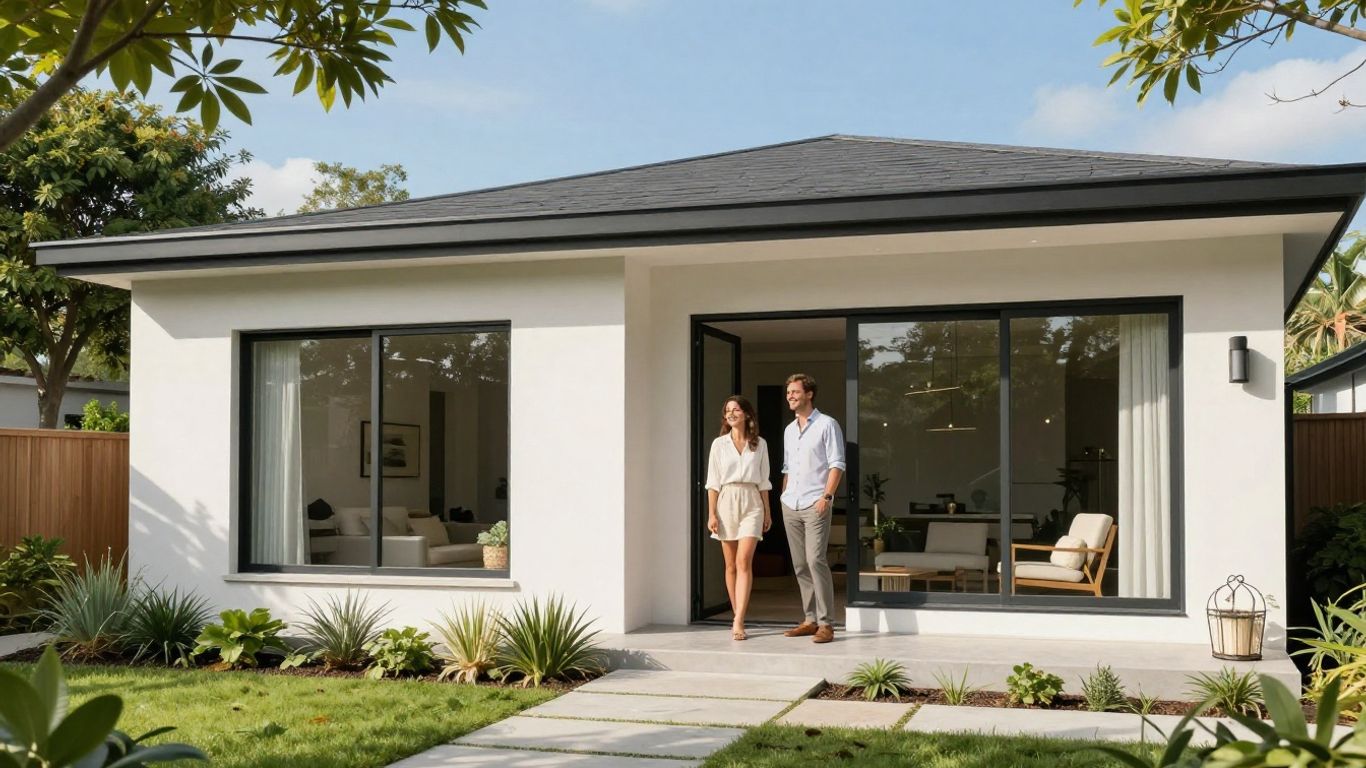
Before you even start looking at floor plans or open homes, it’s a good idea to figure out why you want a boutique home in the first place. It’s not just about having a nice place to live; it’s about what kind of life you want to lead. Thinking this through properly can save you a lot of time and hassle down the track. It helps you focus on what really matters to you and avoid getting sidetracked by properties that look good but don’t actually fit your life.
Defining your lifestyle needs
What does your day-to-day life look like, or what do you want it to look like? Are you someone who loves to entertain, or do you prefer quiet nights in? Do you work from home and need a dedicated office space, or is your commute short enough that you don’t need to worry about it? Boutique homes often offer unique layouts and features that can really support a specific way of living. For example, if you love cooking, you might prioritise a large, well-equipped kitchen. If you’re an avid gardener, you’ll want to consider outdoor space. It’s about matching the home’s potential to your personal routines and aspirations.
Considering family requirements
If you have a family, or plan to in the future, their needs are a big part of the equation. Think about the ages of your children, their schooling needs, and how much space they’ll require as they grow. Do you need multiple bathrooms to avoid morning rush hour chaos? Is a secure backyard important for younger kids? For multi-generational living, you might be looking for separate living zones or even a self-contained area. It’s worth looking at [best multigenerational home designs](06 March, 2024) to get some ideas.
Assessing your financial capacity
This is a big one, obviously. You need to have a clear picture of what you can realistically afford. This isn’t just about the purchase price; it includes ongoing costs like rates, insurance, and maintenance. It’s also wise to consider the overall worth of the property, not just the sticker price. Understanding your budget upfront helps you narrow down your search and prevents you from falling in love with a home that’s out of reach. It’s always better to be prepared and avoid common pitfalls, so critically evaluate the ‘property dream’ often promoted at seminars before making a purchase.
Thinking about your motivations helps you build a home that truly fits your life, rather than trying to fit your life into a home.
Identifying essential features for your boutique home
When you’re looking for a boutique home, it’s not just about the look; it’s about how it fits your life. Think about what you really need day-to-day. What makes a house feel like your home?
Must-have amenities and design elements
This is where you get specific. What features are non-negotiable? For some, it might be a dedicated home office space, especially if you work remotely. Others might prioritise a certain type of kitchen setup – maybe a large island for entertaining or ample pantry storage. Consider the flow of the house too. Do you like open-plan living, or do you prefer separate rooms for different activities? Large windows that let in plenty of natural light are often high on the list, creating a brighter, more welcoming atmosphere. Think about how you use your space and what amenities would genuinely make your life easier and more enjoyable. For instance, some people really want a connection to the outdoors, perhaps with large glass doors that open onto a patio or garden, making the most of the Australian climate. This can really make a property feel more expansive and connected to its surroundings.
Low-maintenance living preferences
Let’s be honest, most of us don’t want to spend our weekends doing endless upkeep. When looking at boutique homes, consider how much time and effort you’re willing to put into maintenance. Are you after a property with minimal garden space, perhaps just a small courtyard, or are you happy to manage a larger yard? Think about the materials used in the home as well. Some finishes, like certain types of stone or timber, might require more care than others. If low maintenance is a priority, look for durable, easy-to-clean surfaces and consider homes that have been designed with simplicity in mind. This could mean fewer complex architectural features or landscaping that doesn’t demand constant attention. It’s about finding a balance that suits your lifestyle, so you have more time to actually enjoy your home.
Single-storey versus double-storey options
This is a big one and often comes down to personal preference and practical needs. Single-storey homes offer accessibility and ease of movement, which can be great for families with young children or those who prefer not to deal with stairs. They can also feel more spread out, with living areas and bedrooms all on one level. On the other hand, double-storey homes can offer a more defined separation between living and sleeping areas, and they often allow for a smaller footprint on the land, which can be beneficial in denser areas. They can also provide better views from the upper level. When deciding, think about your current and future needs. Do you plan to stay in this home for a long time? Are there any mobility concerns now or potentially down the track? It’s worth weighing up the pros and cons of each to see which best aligns with your lifestyle and long-term plans. For example, if you’re looking to unlock the value in your home or considering a renovation, the layout of a double-storey might offer different possibilities than a single-storey.
Defining what your boutique home should not include
Avoiding undesirable locations
When you’re looking for that perfect boutique home, it’s not just about what you want, but also what you definitely don’t want. Location is a big one. Think about areas that might seem appealing at first glance but could cause headaches down the track. Are you okay with being far from public transport, or is that a deal-breaker? Consider the noise levels – is it near a busy road or an industrial zone? It’s worth spending time in potential neighbourhoods at different times of the day to get a real feel for them. Also, think about future development. Sometimes a quiet street can become a construction zone for years, which isn’t ideal. Research local council plans to see what’s on the horizon.
Considering personal dislikes
Beyond the practicalities of location, there are personal preferences that can make or break your enjoyment of a home. Maybe you really dislike a certain architectural style, like overly ornate features or a very traditional look. Perhaps you’re not a fan of homes that face a particular direction, missing out on morning sun or getting too much afternoon heat. Some people have strong feelings about specific materials, like a dislike for certain types of flooring or cladding. It’s important to be honest with yourself about these dislikes, as they can significantly impact your daily comfort and happiness in your new home. Don’t feel pressured to compromise on things that genuinely bother you.
Ruling out unsuitable property types
Boutique homes come in all shapes and sizes, but not all will suit your lifestyle. For instance, if you’re after low-maintenance living, a sprawling property with extensive gardens might be more work than you’re prepared for. Conversely, if you love gardening, a tiny courtyard might feel too restrictive. Think about the number of levels – a single-storey home is great for accessibility, but a double-storey might offer better views or separation of living spaces. Consider the overall layout too. Do you need a dedicated home office, or is a flexible space enough? Ruling out property types that clearly don’t align with your needs from the start will save you a lot of time and disappointment. It’s about finding the right fit, not just any fit. For more on tailoring your home, exploring boutique builders can offer insights into customisation options.
Exploring popular design trends in Australian boutique homes
Australian boutique homes are really reflecting a shift in how we want to live. It’s not just about having a nice-looking place anymore; it’s about making it work for us, day in and day out. People are definitely looking for homes that feel both modern and practical.
Embracing multifunctional living spaces
Gone are the days of strictly separate rooms for everything. With smaller block sizes and the need to get more out of our living areas, flexibility is key. Think about spaces that can adapt. A living room might become a play area for the kids in the afternoon and then a quiet reading nook later. Sliding doors are a simple way to achieve this, letting you open up or close off areas as needed. It’s all about making your home work harder for your family’s changing needs without the stress of moving.
Maximising indoor-outdoor connections
We’re pretty lucky with our climate here in Australia, so it makes sense that we want to bring the outside in. Homes that really nail this connection are becoming super popular. This often means designing living areas around a central courtyard or having large windows that let in heaps of natural light. It makes the whole house feel bigger and more connected to nature. It’s a design choice that really boosts both lifestyle and the look of your home. You can find some great examples of courtyard floorplans that really make the most of this indoor-outdoor living.
Appreciating modern and innovative designs
There’s a real appreciation for homes that are built with a forward-thinking approach. This includes using new materials and clever layouts that make the most of the space. We’re seeing a move towards designs that are not only stylish but also built to last and be easy to manage. It’s about creating a home that feels fresh and unique, reflecting the owner’s personality. This focus on innovation is a big part of what makes boutique homes so appealing to buyers looking for something a bit different from the standard.
The trend towards adaptable spaces and a strong connection to the outdoors is really shaping the boutique home market. It’s about creating homes that are not just shelters, but functional, beautiful extensions of our lives.
Navigating the financial aspects of purchasing boutique homes
Establishing a realistic budget
Figuring out your budget is probably the most important step before you even start looking at properties. It’s not just about the sticker price, though. You need to think about all the money you have available. This includes your savings, any investments you can sell off, and even potential funds from things like superannuation. If you’re buying with someone else, like family or friends, make sure you’re clear on how much everyone is contributing. It’s about having a clear picture of your total financial capacity.
Accounting for additional buying costs
Beyond the purchase price, there are a bunch of other costs that pop up. Think about things like stamp duty, which can be a significant amount depending on the state and the property’s value. Then there are legal fees for conveyancing, building and pest inspections, and potentially even council rates and strata fees if it’s an apartment or townhouse. It’s easy to forget these, but they add up quickly. You might also need a few thousand dollars ready for a reservation deposit if you find the perfect place during a viewing trip and want to secure it on the spot.
Understanding currency transfer rates
If you’re moving funds from overseas, the exchange rate can really impact how much Australian dollars you end up with. It’s worth talking to a currency specialist about this. They can help you understand how fluctuations might affect your budget and look at ways to manage that risk, perhaps by locking in a rate for a period. This is especially important if you’re relying on funds from abroad for your deposit or purchase.
Here’s a quick look at some common extra costs:
- Stamp Duty
- Legal Fees (Conveyancing)
- Lender’s Mortgage Insurance (if applicable)
- Inspection Fees (Building & Pest)
- Council Rates / Strata Fees
Getting your finances sorted early is key. It means when you find that dream boutique home, you can move quickly and confidently. Talking to professionals like mortgage brokers can really help tailor a loan to your situation, making the whole process smoother. Talk to a broker.
When you’re looking at home loans, you’ll come across different types. A fixed-rate home loan is one option where your interest rate stays the same for a set number of years, which can make your repayments predictable. It’s good to understand these options so you can pick what works best for your financial plan.
The process of making an offer on boutique homes
So, you’ve found the boutique home that ticks all your boxes. Now comes the part where you actually try to buy it – making an offer. It can feel a bit like a high-stakes game, but with a bit of preparation, you can approach it with confidence. Knowing your budget inside and out is the absolute first step. Don’t just guess; have your finances sorted, including any potential currency fluctuations if you’re transferring funds from overseas. This way, you won’t get caught out and make a decision you regret later.
Knowing your budget during negotiations
Before you even think about putting pen to paper, you need to be crystal clear on what you can realistically afford. This isn’t just about the sticker price; think about all the extra costs involved in buying property. It’s about having a firm number in your head that you won’t go above, no matter how much you love the place. This stops you from getting too emotional and overspending.
Prioritising key contract terms
An offer isn’t just about the price. There are other bits and pieces in the contract that can be just as important. Things like the settlement date, or any conditions you need to include, such as a building inspection. Think about what’s most important to you. Are you flexible on the settlement date? Do you need specific inclusions? Knowing these priorities helps you negotiate effectively. Sometimes, being flexible on one term can give you more power to negotiate on another, like the price.
Gathering local market intelligence
It’s a good idea to get a feel for what’s happening in the local property market. Is it a buyer’s market, where there are plenty of homes and prices might be a bit softer? Or is it a seller’s market, where homes go quickly and often attract multiple offers? Your estate agent can give you some insights, but doing your own research on recent sales in the area is also smart. This helps you understand if your offer is reasonable. You might even find out about a referral program from Boutique Homes if you’re building a new property.
When you’re making an offer, remember that the agent is working for the seller. While they can provide market information, it’s always wise to do your own homework to get a balanced view. This way, you’re not relying solely on one perspective.
Here’s a quick look at how market conditions can affect your offer:
| Market Type | Property Availability | Price Trend | Negotiation Stance | Your Approach |
|---|---|---|---|---|
| Buyer’s Market | High | Tends to be lower | More assertive | Negotiate harder, expect price reductions |
| Seller’s Market | Low | Tends to be higher | Less assertive | Be competitive, offer attractive terms |
Making an offer can be a bit of a dance. You want to show you’re serious, but you also don’t want to be so aggressive that you scare the seller off. Sometimes, a personal touch, like a well-written letter explaining why you love their home, can go a long way. Just remember, you can always walk away if the deal doesn’t feel right. There will always be other boutique homes out there. If you’re looking at a fixed-price contract for a house and land package, Boutique Homes offers that transparency.
Key considerations before committing to boutique homes
Before you sign on the dotted line for that perfect boutique home, it’s wise to take a moment and really think things through. It’s not just about falling in love with the facade; it’s about making sure it fits your life, now and into the future. Making a considered decision now can save a lot of headaches later.
Determining your primary reasons for purchase
Why exactly are you drawn to a boutique home? Is it the unique design, the smaller community feel, or perhaps the promise of a more personalised living space? Understanding your core motivations helps filter out properties that might look good but don’t align with what you truly want. For instance, if you’re seeking a low-maintenance lifestyle, a sprawling garden might be a beautiful feature, but it could become a chore rather than a joy. Think about what aspects of boutique living are non-negotiable for you. Is it the architectural style, the specific neighbourhood, or the type of community it fosters? Pinpointing these drivers will keep you focused during your search.
Identifying preferred locations
Location, location, location – it’s a cliché for a reason. For boutique homes, the neighbourhood often plays a significant role in the overall appeal. Are you looking for a quiet, leafy street, or do you prefer to be closer to the buzz of cafes and shops? Consider the proximity to work, schools, public transport, and any amenities that are important to your daily routine. Some boutique developments are tucked away in established suburbs, offering a sense of seclusion, while others are part of newer, master-planned communities. Researching the local area, including its future development plans, is a smart move. You might find that a particular area has a strong sense of community, which is often a big drawcard for boutique home buyers.
Selecting the ideal property type
Boutique homes come in various forms, from charming character-filled cottages to sleek, modern townhouses. What style best suits your taste and practical needs? Consider the size and layout. Do you need multiple bedrooms for a growing family, or is a compact, efficient design more your speed? Think about the level of privacy you require and how much outdoor space you’ll realistically use. Some boutique properties might be part of a small complex, while others are standalone dwellings. It’s also worth considering if you’re looking for something brand new or a property with a bit of history. For example, if you’re drawn to the idea of a bespoke build, you might explore options with developers like L+ H Developments who focus on customisation.
It’s easy to get swept up in the excitement of finding a beautiful home. However, taking a step back to clarify your priorities – your reasons for buying, the ideal location, and the specific type of property that fits your lifestyle – will make the entire process smoother and lead to a more satisfying outcome. Don’t underestimate the power of a well-defined checklist.
Timelines for acquiring boutique homes in Australia
Buying a boutique home in Australia involves a structured approach, and having a clear timeline can make the whole process feel much more manageable. It’s not something you want to rush, but you also don’t want to drag your feet. Think of it as a roadmap to your new place.
Six months prior: Planning and team assembly
Around six months before you plan to be settled, it’s time to really get down to business. This is when you should be thinking seriously about why you want a boutique home and what that looks like for your lifestyle. Start putting together your team of professionals. This usually includes a good estate agent who knows the local market, a solicitor to handle the legal side, and potentially a currency specialist if you’re transferring funds from overseas. It’s also a good time to get a handle on your finances and start sketching out a realistic budget. This initial planning phase is key to a smoother journey ahead.
Three months prior: Making an offer and securing
By the three-month mark, you should be actively looking at properties and ideally have a shortlist. This is often the time for a dedicated viewing trip to Australia. Once you’ve found a place you love, you’ll be ready to make an offer. Your solicitor and currency specialist should be well-versed in your financial arrangements by now, allowing for quick action. It’s also wise to consider getting a property survey done at this stage to identify any potential issues. This is where the excitement really builds as you move closer to securing your dream home.
Two months prior: Finalising contracts and moving
In the two months leading up to settlement, the focus shifts to finalising everything. This involves signing the contract of sale and making the final payments. You’ll also be organising removals and planning any immediate renovations or styling for your new place. Your solicitor will be busy preparing the necessary paperwork for settlement. The goal is to have your utilities connected and everything ready for you to collect your keys and move in. It’s a busy period, but seeing it through means you’re on the cusp of owning your boutique home.
The process can vary slightly depending on individual circumstances and market conditions, but sticking to a general timeline helps maintain momentum and reduces stress. Being organised from the outset is your best asset.
Finding the right professionals for your boutique home journey
Engaging a trusted estate agent
When you’re looking for a boutique home, especially if you’re new to the Australian market, getting a good estate agent on your side is a smart move. They know the local areas, the types of properties that are popular, and can often give you a heads-up on places before they even hit the general listings. It’s not always about finding someone who sells houses; it’s about finding someone who understands the vibe of the boutique home market. They can help you sort through options and avoid wasting time on places that just aren’t the right fit. Think of them as your local guide. Some agents might even help you with initial viewings or give you a feel for the neighbourhood. Remember, in Australia, you’re usually dealing with the seller’s agent, but if you’re a foreign buyer, it might be worth looking into a buyer’s advocate who works exclusively for you. This can make the whole process a bit smoother.
Consulting with financial and currency specialists
Buying property from overseas or even just managing finances across borders can get complicated pretty quickly. That’s where financial and currency specialists come in. They can help you understand exchange rates, how to transfer money efficiently, and what the real costs are when you factor in currency fluctuations. Getting this right can save you a significant amount of money. They’ll also be able to advise on any Australian financial regulations you need to be aware of. It’s not just about the purchase price; it’s about the total cost of getting your funds to Australia. They can help you plan the best time to make transfers to get the most bang for your buck.
Working with legal and property experts
Once you’ve found a place you love, you’ll need legal help. A solicitor or conveyancer is essential for handling the contracts, doing the necessary searches on the property, and making sure all the paperwork is in order. They’re the ones who make sure the sale is legally sound and that your interests are protected. It’s a good idea to have these professionals lined up early on, so they’re ready to go when you need them. They’ll guide you through the contract signing and settlement process, which can be quite detailed. Having a good team means you can focus on the exciting part – planning your new home – rather than worrying about the legal bits. If you’re looking for custom home designs, a studio like Sketch could be a great starting point for your vision.
Here’s a quick rundown of who you might need:
- Estate Agent: To help find suitable properties and understand the market.
- Financial Advisor/Currency Specialist: To manage your funds and currency exchange.
- Solicitor/Conveyancer: To handle the legal aspects of the purchase.
- Buyer’s Advocate (Optional): For exclusive representation if you’re a foreign buyer.
Building or buying a boutique home is a big step. Having the right support team makes a world of difference. They handle the complexities so you can enjoy the journey.
Understanding the nuances of building boutique homes
Building a boutique home is a bit different from just buying one off the plan or as a resale. It’s about creating something that truly reflects you, and that involves a few more steps and considerations. It’s not just about picking colours; it’s about the whole process from start to finish.
Defining Your Unique Vision
Before you even talk to a builder, you need to have a good idea of what you want. What’s the overall feel? Are you after something modern and sleek, or do you prefer a more classic, timeless look? Think about the lifestyle you want to lead in your new home. Do you entertain a lot? Do you need quiet spaces for work or hobbies? Jotting down ideas, collecting images from magazines or online – whatever helps you visualise your dream. This initial vision is the blueprint for everything that follows. It’s about translating your personal style into a physical space. This clarity will be your guiding star throughout the entire building journey.
Collaborating with Experienced Builders
Finding the right builder is probably the most important decision you’ll make. You want someone who not only has the skills but also understands your vision. Look for builders with a solid portfolio, especially in the style of home you’re after. Don’t be afraid to ask for references and actually speak to past clients. A good builder will be transparent about costs and timelines, and they should communicate well. They’re not just constructing a house; they’re helping you build a home. It’s a partnership, so choose someone you feel comfortable working with. You’ll be spending a lot of time together, so good rapport is key. For those looking at high-end finishes, understanding features like double glazing and separate roof forms can be important [7822].
Navigating Local Building Regulations
Every area in Australia has its own set of rules and regulations when it comes to building. These can cover everything from zoning laws to environmental standards and even aesthetic guidelines in certain neighbourhoods. It’s vital to understand these from the outset to avoid costly delays or having to make significant changes down the line. Your builder should be well-versed in these, but it’s good to have a basic awareness yourself. They can help you understand things like electrical requirements for different rooms [a08f].
- Research local council requirements: Understand zoning, setbacks, and any heritage overlays.
- Factor in energy efficiency standards: Many areas have specific requirements for insulation and energy ratings.
- Be aware of neighbourhood character guidelines: Some areas have rules to maintain a consistent streetscape.
Building a home is a significant undertaking. Approaching it with a clear vision, a trusted team, and an understanding of the local landscape will make the process much smoother and more rewarding.
Building a special, smaller home can be tricky. It’s not just about making it look nice; you also need to think about how it works for you. We can help you figure out all the little details to make your dream home just right. Want to learn more about creating your perfect small home? Visit our website today!
Your Australian Dream Home Awaits
So, you’ve thought about what you want, where you want it, and how much you can spend. That’s a big step! Finding your perfect boutique home in Australia is a journey, and we’ve covered some of the main things to consider. Remember to be clear about your needs, do your homework on the areas that catch your eye, and don’t be afraid to ask for help from the pros. Whether you’re after a modern build with lots of glass or a cosy place closer to nature, Australia has plenty of options. Take your time, enjoy the process, and soon you could be settling into your new Australian lifestyle.
Frequently Asked Questions
Why should I think about my lifestyle before buying a home in Australia?
It’s super important to be real about how you’ll live in your new home. If you’re planning to have kids, you’ll need to check out local school areas. If you’re moving just to enjoy the sunshine and a relaxed vibe, you might find better deals a bit further from the big cities.
How much money should I set aside for buying a home?
Get a clear idea of your budget right from the start. It’s a good idea to add at least 5% extra for all the extra costs that come with buying property. This gives you a solid starting point for your finances.
What are the 'must-haves' for my Australian boutique home?
Picture your ideal home! Do you dream of a sunny patio, a cool swimming pool, or a sleek, modern look? Think about whether you want lots of garden space or prefer something easy to look after, like an apartment. Knowing these ‘must-haves’ really helps real estate agents find the perfect place for you.
What features should my boutique home definitely NOT have?
Besides what you want, it’s also smart to think about what you really don’t want. Would you hate a long drive after a long flight? Do you dislike busy beach towns? Knowing these deal-breakers helps narrow down the options faster, saving you time and hassle.
What are some popular design ideas for Australian homes right now?
Many homes are now designed with rooms that can be used for different things, like a combined living and play area. People also love homes that bring the outdoors in, with big windows and spaces that open onto gardens or courtyards, making the most of Australia’s great weather.
How do I make an offer on a property in Australia?
First, know your absolute top price. This stops you from overspending and helps you stay calm during negotiations. Also, think about what’s most important to you besides price, like moving dates or what furniture is included. Knowing the local market by looking at sold prices, not just asking prices, is also key.
What's a good timeline for buying a home in Australia?
Give yourself plenty of time! About six months before you plan to buy, start thinking about what you want and gather your team (like an agent and a lawyer). Three months before is a good time to make an offer and try to secure the property. Two months before is when you’ll finalise contracts and get ready to move.
Who are the important professionals to help me buy a home in Australia?
You’ll want a good real estate agent to help you find properties. It’s also wise to talk to financial experts and currency specialists to manage your money. And definitely get a lawyer or conveyancer to handle all the legal bits and make sure everything is done correctly.